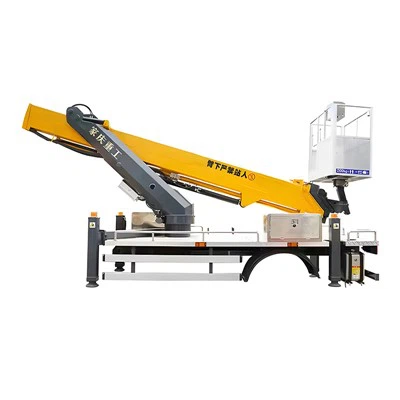
As a well – established supplier of motors and vehicle crane attachments, I often receive various technical inquiries from our customers. One of the most frequent questions is, "Can I use a motor with a different frequency for my vehicle crane attachment?" This is a crucial question that touches on multiple technical aspects related to the safety, efficiency, and longevity of the vehicle crane and its attachments. Motors and Vehicle Crane Attachments
Understanding the Basics of Motor Frequency
Before we get into the nitty – gritty of whether using a motor with a different frequency is feasible, it’s essential to understand what motor frequency is and why it matters. In an alternating current (AC) motor, the frequency refers to the number of times the current reverses direction per second, measured in Hertz (Hz). In most parts of the world, the standard grid frequencies are either 50 Hz or 60 Hz.
The frequency of the power supply directly impacts the motor’s speed. The synchronous speed of an AC motor is determined by the formula (N_s=\frac{120f}{P}), where (N_s) is the synchronous speed in revolutions per minute (RPM), (f) is the frequency in Hz, and (P) is the number of poles in the motor. For example, a 4 – pole motor operating on a 50 – Hz power supply has a synchronous speed of (\frac{120\times50}{4}=1500) RPM, while the same 4 – pole motor on a 60 – Hz supply will have a synchronous speed of (\frac{120\times60}{4}=1800) RPM.
Implications of Using a Different Frequency Motor
Speed and Torque
The most obvious effect of using a motor with a different frequency is on the speed and torque of the vehicle crane attachment. If you use a motor designed for a higher frequency on a lower – frequency power supply, the motor will run at a lower speed. As a result, the lifting and moving operations of the crane attachment will be slower. Moreover, the motor may not be able to generate sufficient torque to lift heavy loads effectively, which can lead to overheating and potential damage to the motor over time.
Conversely, using a motor designed for a lower frequency on a higher – frequency power supply will cause the motor to run at a higher speed. This increase in speed can pose a significant safety risk as the crane attachment may move too quickly, making it difficult to control. Additionally, the increased speed can put excessive stress on the mechanical components of the crane attachment, such as gears and bearings, leading to premature wear and tear.
Electrical and Thermal Considerations
Frequency also affects the electrical characteristics of the motor. The impedance of the motor’s windings is frequency – dependent. A change in frequency can alter the current flowing through the motor. If the frequency is lower than the motor’s rated frequency, the impedance will decrease, causing an increase in current. This increased current can lead to overheating of the motor, which not only reduces the motor’s efficiency but also shortens its lifespan.
On the other hand, a higher – than – rated frequency will increase the impedance, potentially reducing the current. However, it can also cause issues such as increased core losses in the motor due to the higher magnetic field variations, which again can lead to overheating.
Compatibility with Control Systems
Vehicle crane attachments often come with sophisticated control systems that are designed to work in harmony with the motor’s rated frequency. Using a motor with a different frequency can disrupt the normal operation of these control systems. For example, the speed control algorithms may not function correctly, leading to inaccurate positioning of the crane attachment. The safety features, such as overload protection, may also be affected, putting both the equipment and the operators at risk.
Exceptions and Mitigation Strategies
Variable Frequency Drives (VFDs)
In some cases, it is possible to use a motor with a different frequency by employing a Variable Frequency Drive (VFD). A VFD is a device that can adjust the frequency and voltage supplied to the motor, allowing it to operate at different speeds. By using a VFD, you can match the motor’s operating frequency to the available power supply frequency, effectively overcoming the frequency mismatch problem.
However, it’s important to note that using a VFD adds complexity to the system. You need to ensure that the VFD is properly sized and configured for the motor and the vehicle crane attachment. Incorrect installation or configuration of the VFD can lead to issues such as motor instability, electromagnetic interference, and reduced efficiency.
Custom – Built Solutions
If you have a specific requirement for using a motor with a different frequency, another option is to work with a manufacturer to develop a custom – built solution. A professional manufacturer can design a motor that is optimized for the specific frequency and operating conditions of your vehicle crane attachment. This approach may be more expensive and time – consuming, but it can provide a reliable and long – term solution.
Conclusion
In general, using a motor with a different frequency for your vehicle crane attachment is not recommended without careful consideration. The potential risks associated with speed, torque, electrical, thermal, and control system issues can outweigh the benefits. However, with the use of Variable Frequency Drives or custom – built solutions, it may be possible to overcome these challenges.
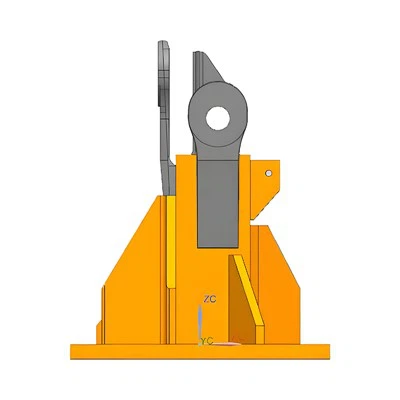
As a supplier of motors and vehicle crane attachments, we understand the importance of technical compatibility and safety. Our team of experts is dedicated to providing solutions that are tailored to your specific needs. We have a wide range of motors and attachments that are designed to work seamlessly together, ensuring optimal performance and reliability.
Industrial Machinery and Machinery Accessories If you have any questions or need more information about choosing the right motor for your vehicle crane attachment, we encourage you to contact us for a detailed consultation. We can help you analyze your requirements, assess the feasibility of using a motor with a different frequency, and provide you with the best solutions. Our goal is to help you make informed decisions and ensure the smooth operation of your vehicle crane equipment.
References
- Chapman, S. J. (2012). Electric Machinery Fundamentals. McGraw – Hill.
- Fitzgerald, A. E., Kingsley, C., Jr., & Umans, S. D. (2003). Electric Machinery. McGraw – Hill.
Taiyuan Z.T Gear Machinery Equipment Co., Ltd.
We are one of the most professional motors and vehicle crane attachments manufacturers and suppliers in China, specialized in providing high quality custom service. We warmly welcome you to buy durable motors and vehicle crane attachments made in China here from our factory.
Address: No.7, Area C, Industrial Park, Taiyuan, Shanxi
E-mail: 13191002233@139.com
WebSite: https://www.tzgears.com/
