As a seasoned supplier of wooden cutlery, I’ve witnessed the growing appreciation for the natural charm and sustainability of wooden utensils. However, many customers often approach me with concerns about how to clean their wooden cutlery without causing any damage. In this blog, I’ll share some practical and science – backed tips to ensure your wooden cutlery stays in pristine condition for years to come. Wooden Cutlery
Understanding the Nature of Wood
Wood is a porous and organic material. Its unique structure gives wooden cutlery a warm and rustic appeal, but it also makes the cutlery vulnerable to certain cleaning agents and extreme conditions. When exposed to water for long periods, the wood can absorb moisture, leading to swelling, warping, or even cracking. Moreover, harsh chemicals can strip the natural oils from the wood, making it dry and brittle. Understanding these properties is crucial for adopting the right cleaning approach.
Pre – Cleaning Precautions
Before diving into the actual cleaning process, it’s essential to take a few precautions. First, inspect your cutlery for any signs of damage, such as cracks or splinters. If you find any, refrain from using the cutlery until it can be properly repaired or replaced. This not only ensures your safety but also prevents further damage during the cleaning process.
Secondly, always separate your wooden cutlery from metal or other hard – material utensils while cleaning. The contact between the wood and harder objects can cause scratches or abrasions, marring the appearance of your cutlery.
Gentle Hand – Washing Techniques
The most recommended way to clean wooden cutlery is by hand. Fill a sink or a basin with warm water. The water should be lukewarm, not too hot, as excessive heat can cause the wood to expand and contract rapidly, leading to damage.
Add a small amount of mild dish soap to the water. Look for soap that is free from harsh chemicals, dyes, and fragrances. Harsh chemicals can penetrate the porous surface of the wood and cause discoloration or drying. A natural, unscented dish soap is an ideal choice.
Gently place the wooden cutlery into the soapy water. Use a soft sponge or cloth to clean the cutlery. Avoid using abrasive scrubbers, steel wool, or brushes with stiff bristles, as they can scratch the wood. Wipe the entire surface of each utensil, paying special attention to any food residue or stains.
For stubborn stains, you can try creating a mild cleaning paste. Mix a small amount of baking soda with water to form a thick paste. Apply the paste to the stained area and gently rub it in a circular motion with a soft cloth. Baking soda is a natural abrasive that is gentle on wood and can effectively remove stains without causing damage.
Once the cutlery is clean, rinse it thoroughly under running lukewarm water. Make sure to remove all traces of soap to prevent a soapy film from forming on the wood.
Drying Process
Proper drying is just as important as cleaning. After rinsing, shake off any excess water from the cutlery. Then, lay the utensils on a clean, absorbent towel. Pat them dry gently with another towel to remove as much moisture as possible.
Avoid leaving the wooden cutlery soaking wet or submerged in water for an extended period. Instead, allow the cutlery to air – dry in a well – ventilated area. Standing the cutlery upright in a dish rack can also help with the drying process, as it allows air to circulate around the utensils and speeds up drying.
Never use a dishwasher to dry wooden cutlery. The high – heat and agitation in dishwashers can cause severe damage to the wood, including warping, cracking, and even splintering.
Maintaining the Natural Oils of the Wood
Over time, repeated use and cleaning can deplete the natural oils in the wood, making it more susceptible to damage. To keep the wood in good condition, it’s advisable to oil your wooden cutlery occasionally.
Food – safe mineral oil is an excellent choice for this purpose. Mineral oil is odorless, tasteless, and does not go rancid. To oil your cutlery, simply apply a small amount of mineral oil to a clean, soft cloth. Rub the oil onto the wooden surface of each utensil, making sure to cover the entire area.
Let the oil soak into the wood for about 15 – 20 minutes. Then, use a dry cloth to wipe off any excess oil. Oiling the cutlery every few months can help to keep the wood moisturized, prevent drying and cracking, and enhance its natural beauty.
Avoiding Common Mistakes
There are several common mistakes that people make when cleaning wooden cutlery. One of the most significant mistakes is submerging the cutlery in water for too long. As mentioned earlier, extended exposure to water can cause the wood to absorb moisture and lead to damage.
Another mistake is using strong cleaning agents. Chemical – based cleaners, bleaches, and ammonia – based products are extremely harmful to wooden cutlery. These substances can break down the wood fibers, cause discoloration, and make the wood brittle.
Storing wooden cutlery in a damp environment can also be detrimental. This can promote the growth of mold and mildew, which not only looks unsightly but can also compromise the integrity of the wood. Always make sure to store your wooden cutlery in a dry, well – ventilated place.
Professional Cleaning and Rehabilitation
Sometimes, even with the best care, wooden cutlery may experience more severe damage or staining. In such cases, it may be necessary to seek professional cleaning or rehabilitation services. Professional woodworkers or restoration experts have the tools and expertise to treat the wood gently and restore its original condition.
They may use specialized cleaning solutions and techniques that are safe for wood and can effectively remove stubborn stains and repair minor damages. If you’re unsure about how to handle a particular problem with your wooden cutlery, don’t hesitate to consult a professional.
Conclusion and Call to Action
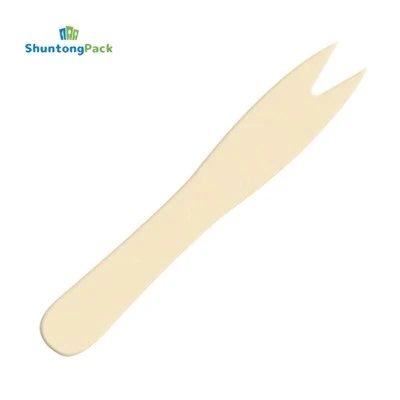
Cleaning wooden cutlery without damaging it requires a gentle and informed approach. By understanding the nature of wood, following the proper cleaning and drying techniques, and maintaining the natural oils of the wood, you can ensure that your wooden cutlery remains a beautiful and functional part of your kitchen for a long time.
Bagasse Bowl As a supplier of high – quality wooden cutlery, I’m always committed to providing you with the best products and the most useful advice. If you’re interested in purchasing our range of wooden cutlery or have any questions about their care and maintenance, I encourage you to reach out to me. We can discuss your specific needs and preferences, and I’m confident that our wooden cutlery will exceed your expectations.
References
- "The Wood Handbook: Wood as an Engineering Material" by the U.S. Department of Agriculture Forest Service
- "Wood Finishing: A Complete Guide to Choosing, Applying, and Maintaining Wood Finishes" by Bob Flexner
Mudanjiang Shuntong Environmental Protection Technology Co., Ltd.
Mudanjiang Shuntong Environmental Protection Technology Co., Ltd. is one of the most professional wooden cutlery manufacturers and suppliers in China, featured by quality products and good price. Welcome to wholesale eco-friendly wooden cutlery made in China here and get pricelist from our factory. Contact us for customized service and OEM service.
Address: Shop No.4, Building 1, Ruijing Huating, Hailin City, Mudanjiang City, Heilongjiang Province
E-mail: info03@ecojiaxun.com
WebSite: https://www.shuntongcutlery.com/
