Hey everyone, Hybrid Spindle Bearings
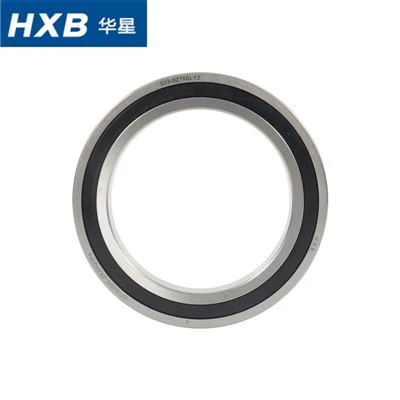
If you’ve ever stood next to a high-speed machine shop – like a CNC mill whirring away or a lathe turning parts at 10,000 RPM – you know that smooth, consistent movement isn’t just nice to have, it’s everything. The bearings holding the spindle in place? That’s the unsung hero keeping that machine from vibrating, overheating, or crapping out mid-job.
And if you’ve been in the market for spindle bearings lately, you’ve probably seen “hybrid” thrown around a lot, right? Maybe you’ve wondered: is this just another marketing buzzword? Or is it actually that different from the traditional steel bearings I’ve used for years? Full transparency here – I’m from a hybrid spindle bearing supplier, so I’m biased, but I’m gonna keep this real, no sales fluff, just the stuff that actually matters to people who run machines or spec parts.
First, let’s cut to the basics so we’re all on the same page. Traditional spindle bearings (let’s call ’em “steel bearings” for short, since that’s their whole thing) are made entirely from steel – steel balls, steel raceways, every last part. Hybrid bearings? Exactly what the name says: they mix materials. The balls are ceramic, usually silicon nitride, and the rings are still steel. No full ceramic here, that’s a different beast entirely – we’re talking hybrid, not pure ceramic. Got it? Good, because mixing those two is where all the magic happens, and all the confusion.
Let’s start with the stuff you notice first: speed. I’m talking high-speed machining, like when you’re cutting aluminum for aerospace parts or drilling tiny holes in circuit boards. Steel bearings have a limit, right? Push ’em too fast, and the steel balls start skidding on the raceways instead of rolling. Skidding = friction = heat = wear way faster. Ceramic balls? They’re way harder and smoother than steel, so they don’t skid near as much at the same RPM. I’ve seen shops swap steel bearings on a 15,000 RPM spindle and go to hybrid, then run that same spindle at 25,000 RPM without breaking a sweat. No more skidding, no more that high-pitched whine that makes you check if the machine’s gonna seize up.
Wait, but what about heat? That’s the big killer of spindle parts, right? Too much heat and your spindle expands, throwing off your tolerances by microns – which is a huge deal when you’re making parts that need to fit perfectly. Steel generates more friction when it’s moving, so more heat. Ceramic? Way lower coefficient of friction. Even at the same speed, a hybrid bearing runs 30-50% cooler than a steel one, from what our customers report. I had a guy last week tell me his steel bearings would hit 180°F after an hour of running at 10,000 RPM; he swapped to hybrid, and it stayed around 125°F. No more heat-related expansion, so his parts are tighter, and he doesn’t have to let the spindle cool down for 20 minutes between jobs anymore – that’s more parts per day, which translates to more cash.
Now, load. Not all machines run at high speed – some are brute force, like heavy turning or milling thick steel parts. Steel bearings handle heavy loads, but they’re prone to denting if something hits ’em wrong. Drop a tool, or the machine crashes? Steel balls can leave little indentations (brinelling) on the raceway, which makes noise and ruins the bearing fast. Ceramic balls? They’re way harder than steel, so they resist brinelling way better. I’ve seen a customer drop a 5lb tool onto a spindle with hybrid bearings – no damage. If that’d been steel, he’d be replacing the bearing by the end of the shift. That’s a big win for shops that deal with tight spaces or operator errors, which, let’s be real, happens.
Wait, what about weight? Ceramic balls are lighter than steel balls. Not by a ton – maybe half the weight – but at high speed, that adds up to less centrifugal force. Centrifugal force pushes the balls outward, which makes the bearing take more power to spin, and adds stress on the spindle. Less weight = less force = less stress on the whole system. So not only does the bearing last longer, your motor doesn’t have to work as hard, which saves on energy costs over time. Our customers usually see a 5-10% drop in power usage after swapping, which adds up if you’re running 24/7.
But hold on, let’s not pretend hybrid is perfect. Traditional steel bearings are cheaper upfront. Like, way cheaper. If you’re doing low-speed, light-duty work – say a small hobby CNC that only runs at 3,000 RPM, making signs or wood parts – steel bearings are totally fine. They’ll last you years, and you don’t have to drop a bunch of cash on hybrid. Hybrid bearings cost 20-40% more than steel ones, right off the bat. So if you’re not pushing your machine hard, that extra cost isn’t worth it.
Also, steel bearings handle shock loads a tiny bit better? Wait, no – actually, the ceramic’s hardness is a plus, but if you really, really abuse a bearing, like constant heavy crashes, steel might deform before ceramic chips. Ceramic is brittle, right? It won’t dent, but if you hit it hard enough, it can crack. That’s rare, but it does happen. So if your shop runs rough, unforgiving machines, and you’re okay with a shorter bearing life to save money, steel might still be your call.
Another thing: maintenance. Both types need regular lubrication, but hybrid bearings actually like grease or oil a little better because their lower friction means lubrication lasts longer. You don’t have to re-grease them as often. Steel bearings, since they run hotter, break down lubricant faster, so more frequent top-ups. That’s another small win for hybrid – less downtime for maintenance.
Let’s talk real-world examples, because this isn’t just textbook stuff. Last year, we had a customer who makes medical implants – titanium hip parts, super tight tolerances, like 0.001mm. He was using steel bearings, and every 6 months he was replacing them because the heat was throwing his dimensions off. Switched to hybrid, and now he goes 2 years between bearing changes. His part rejection rate dropped by 12%, because the spindle stayed consistent. Another customer is a job shop that does aerospace machining – high speed, heavy cuts, occasional crashes. He swapped half his spindles to hybrid, kept some on steel for low-speed jobs, and said the hybrid ones have cut his bearing replacement costs by 35% in a year, even with the higher upfront price.
Wait, let’s clear up a common myth I hear all the time: people think hybrid bearings are only for high-speed, fancy machines. No, they work for almost any spindle. I had a guy with a 5-axis mill that runs at 8,000 RPM, not super crazy, but he was having vibration issues. Swapped to hybrid, the vibration went away, his surface finish got better, and he hasn’t had a bearing failure in 18 months. It’s not just for race cars or lab machines – it works for everyday shop stuff, too.
So when do you pick which? Let’s make a quick cheat sheet, since I know people love those. If you’re running:
- High speed (over 10,000 RPM) → hybrid, no question.
- Heavy loads, occasional crashes → hybrid, resists brinelling way better.
- Need tight tolerances, consistent performance → hybrid, lower heat means no expansion.
- Low speed, light duty, hobby or small shop → steel, cheaper upfront, works fine.
- Super rough, constant heavy abuse → steel, less chance of ceramic cracking.
And before I wrap this up, let’s be honest about where people mess up. I’ve had customers buy “hybrid bearings” that were garbage, because they cut corners. Not all hybrid bearings are equal – you need good quality silicon nitride balls, not cheap ceramic that’s porous or full of flaws. The steel rings matter too, if they’re not ground right, even good ceramic balls won’t help. That’s why it’s important to work with a supplier who knows their stuff, not just a random Amazon listing.
At the end of the day, it all comes down to your machine, your workload, and what you value. If you want longer bearing life, less downtime, tighter parts, and lower operating costs over time, hybrid is the way to go. If you’re on a super tight budget for a light-duty setup, steel works. But don’t let anyone tell you hybrid is just a gimmick – it’s been around long enough, and our customers’ results speak for themselves.
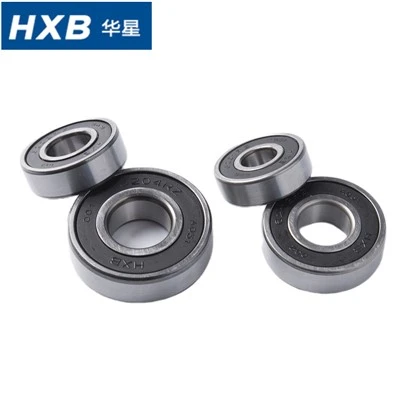
If you’re wondering if hybrid bearings would work for your spindle, don’t overthink it – shoot us a note, we can walk through your setup, break down the costs vs. benefits, and make sure you get the right part. No pressure, just real answers for real machine operators who want their shops to run smooth.
Household Appliances Bearings References:
- Shively, J. (2020). Spindle Bearing Technology for High-Speed Machining. Industrial Press.
- Kennedy, F. (2018). Hybrid vs. Steel Rolling Element Bearings: Performance and Application. Journal of Manufacturing Processes, 32, 456-464.
- American Bearing Manufacturers Association. (2021). Rolling Element Bearing Design and Selection Guide. ABMA Standards.
Hangzhou Huaxing Kechuang Holding Group Co., Ltd.
Hangzhou Huaxing Kechuang Holding Group Co., Ltd. is one of the leading manufacturers and suppliers of hybrid spindle bearings in China, featured by quality products and good service. Please rest assured to buy bulk durable hybrid spindle bearings from our factory. Welcome to view our website for more information.
Address: No.553 Yingbin Road, Linping, Hangzhou, 311100, China
E-mail: wmb@huaxingbearing.com
WebSite: https://www.hxbbearing.com/
