If you’re in the construction, mining, material handling, or even landscaping space, you’ve probably been around loaders long enough to know that not all models are created equal. I’ve been selling loaders for over a decade now, and I can’t tell you how many times I’ve heard customers ask, “Why go with a dynamic loader when a standard one costs half as much upfront?” Fair question—on paper, a basic loader looks like a no-brainer. But after working with hundreds of fleets, small contractors, and big operations alike, I can say with confidence that dynamic loaders aren’t just a “nice-to-have” for most teams. They’re an investment that pays for itself faster than you think. Let’s break down the real advantages, from something as small as adjusting to the job at hand to big-picture stuff like keeping your costs low and your crew happy. Loader
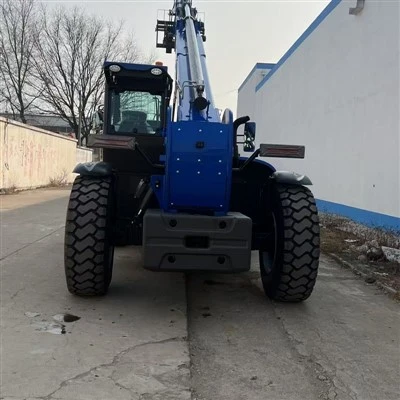
First off, let’s cut through the jargon: what even is a dynamic loader, anyway? For the new folks here, a dynamic loader is built with adjustable, on-the-go components that shift to match whatever task you’re tackling—no need to hop off, swap out attachments, or mess with settings that take 20 minutes to tweak. A lot of standard loaders are locked into a set operating mode, like they’re born for just one job and can’t deviate. Dynamic loaders? They adapt, plain and simple. When I show this to a first-time buyer, their eyes usually go wide because they didn’t realize how much time they waste on little, avoidable headaches.
Take versatility, for example. Let’s say you’re a small general contractor with a job that’s swinging between three tasks in a single day: moving 50 yards of gravel to lay a driveway, loading pallets of siding onto a work truck, and cleaning up wood debris from a demo site. A standard loader would mean grabbing three separate attachments (a bucket, a pallet fork, a grapple) and spending 10–15 minutes swapping each one out. Multiply that over a month of back-to-back jobs, and you’re losing hours of productive time, not to mention paying for extra attachment storage and maintenance. A dynamic loader? It switches modes—from high-torque for pushing heavy gravel to high-precision for lifting delicate siding to soft-touch for picking up loose debris—in seconds, right from the operator’s seat. Last year, I had a landscaping customer tell me they cut their daily job setup time by 45% after switching to dynamic loaders. That’s an extra hour and a half every day they could actually be working, not messing with parts.
Next up: fuel efficiency, and I know that’s a big one right now—diesel prices have been all over the place, and every dollar saved at the pump matters. Standard loaders run at a fixed output, like they’re always working at full blast even if the job only needs 30% of their power. That’s like driving your car in fifth gear at 20 mph all day; it’s just wasting gas. Dynamic loaders have smart, adaptive engines that adjust their power output to match the work being done. If you’re just moving light mulch, they dial down the engine’s RPMs and use less fuel. If you’re pushing a pile of wet dirt, they ramp up the torque without wasting extra power. I did a side-by-side test with a construction company last quarter: they used a standard loader for two weeks, then swapped to a dynamic model for another two weeks doing identical jobs. The dynamic loader used 28% less fuel over that period. For a crew that runs their loader 10 hours a day, that adds up to thousands of dollars a year—thousands that can go to raises, new tools, or expanding jobs, not just filling the tank.
Then there’s operator comfort and retention, which is something a lot of business owners sleep on. Let’s be real: loader work is tough. Operators sit in that seat for 8, 10, sometimes 12 hours a day. If the loader is always fighting them—vibrating too much when they’re doing fine work, being too slow for light jobs, or too jerky when they’re lifting pallets—burnout happens fast. We hear all the time from customers that high turnover in loader operators is one of their biggest headaches. Dynamic loaders fix that by smoothing out all those rough edges. The adjustable hydraulics mean lifting is precise, no jerky movements. The adaptive suspension adjusts based on the load—empty, half-full, full—so the ride is steady, not bouncing you around the cab all day. Last year, a customer who had a 30% annual turnover rate for loader ops switched all their equipment to dynamic loaders. This year? Their turnover dropped to 8%. Why? Operators weren’t coming home sore from a day of bouncing around, and they had the control to actually do their job well, not fight the machine. Good operators are hard to find—keeping them around saves you way more than the cost of a better loader.
Durability is another big one, and I don’t mean just “it doesn’t break.” Standard loaders are built to handle a narrow set of tasks, so when you push them outside that range, parts start wearing out fast. If you use a standard loader meant for light landscaping to push heavy construction rubble, the bucket, the hydraulic lines, even the engine will take a beating that cuts its lifespan by years. Dynamic loaders, on the other hand, are built with overbuilt, adaptive components that handle the full range of their capabilities without stress. The adaptive control system doesn’t force the engine to work harder than it needs to, so parts don’t get unnecessary wear. The hydraulic system adjusts pressure and flow to match the job, so hoses and seals don’t leak from being overworked. I’ve seen a dynamic loader that’s been running 12 hours a day, 6 days a week for 7 years—still going strong—where a standard loader of the same brand would’ve needed a new engine at the 5-year mark. That longer lifespan means you’re not replacing your loader every 5 years, you’re stretching it to 8, 9, or even 10, which brings your total cost of ownership way down.
Wait, and I can’t forget about uptime. When a loader goes down, your whole job goes down. No loader = no moving materials = no progress = no getting paid on time. A lot of standard loaders have fixed parts that only work for one job, so if your only bucket breaks, you’re stuck waiting a week for a replacement. Dynamic loaders have modular, interchangeable core components that work across all their modes. Plus, the smart diagnostic systems on most modern dynamic loaders alert you to small issues before they turn into big breakdowns—like a low hydraulic pressure or a loose belt—so you can fix it on the weekend, not mid-job on a Friday afternoon when you’re supposed to wrap a project. A mining customer I work with had a loader break down on a Wednesday that would’ve taken 3 days to fix on a standard model; the dynamic loader’s diagnostic system pointed out a simple electrical issue that a tech fixed in 2 hours. That’s 3 days of lost revenue they didn’t have to deal with.
Now, I know what some of you are thinking: “Dynamic loaders cost more upfront. How do I justify that?” It’s a fair question. Let’s do the math quick. Say a standard loader costs $50k, a comparable dynamic loader is $70k. That’s a $20k difference. But if you save $5k a year on fuel, $3k a year on maintenance and parts, and avoid $10k a year in lost downtime from job delays— that’s $18k a year in savings. By year two, you’ve made back that extra $20k, and every year after that is pure profit. Plus, you’re getting the versatility to take on more jobs, because you don’t have to turn down a job that needs a grapple one day and a pallet fork the next—your loader can handle it.
I also want to address a common misconception: people think dynamic loaders are only for big operations. Nope. A small contractor with one loader, a landscape crew with two, even a homeowner who does big projects (I’ve had a few retirees use them for acreage work) love them. The versatility, low cost of ownership, and ease of use don’t scale just for big fleets—they work for anyone who relies on a loader to make money.
At the end of the day, a loader isn’t just a piece of equipment—it’s your team’s bread and butter. It’s what gets materials to the job site, clears debris, loads trucks, and keeps projects moving on schedule. If your loader is fighting you every step of the way, wasting your money on fuel and repairs, and making it hard to keep good operators, it’s not working for you. It’s working against you.
Look, I’ve been in this game long enough to know that new equipment feels like a big leap, but the advantages of a dynamic loader aren’t just marketing hype—they’re real, measurable wins for your bottom line and your crew. If you’re tired of paying for downtime, fuel, and operators who quit because they hate their machine, it’s time to stop looking at loaders as one-size-fits-all and start looking for something that works as hard as you do.
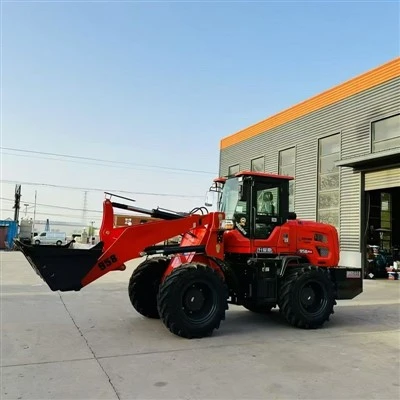
If you’re ready to stop wasting money on underperforming equipment and start seeing real returns from your loader, get in touch to chat through your specific needs. Whether you’re running a small landscaping crew, a big construction fleet, or something in between, we can walk through the right dynamic loader setup for your jobs, no pressure, no confusing jargon.
Slip Loader References:
- Construction Equipment Association. (2023). Adaptive Mobile Machinery: Operational Efficiency and Long-Term Cost Analysis.
- National Association of Landscape Professionals. (2022). Loader Equipment Operator Retention and Job Satisfaction Report.
- U.S. Department of Energy. (2021). Off-Highway Equipment Fuel Efficiency: Adaptive Power System Case Studies.
- Machinery Watch Magazine. (2023). Long-Term Durability of Dynamic vs. Standard Construction Loaders.
Shandong Feisite Machinery Co., Ltd.
As one of the most professional loader manufacturers and suppliers in China, we’re featured by quality products and good service. Please rest assured to buy cheap loader made in China here and get quotation from our factory. Customized orders are welcome.
Address: 100 meters south of Zengfusi Village, Mihe Town, Qingzhou City, Shandong Province
E-mail: Wpeng19911103@qq.com
WebSite: https://www.shandongfeisite.com/
