Hey guys, if you’re reading this, you’re probably a Well Furnace owner who’s been staring at that clunky oil-fired unit in your basement lately—wondering if switching to gas is worth the headache. Let me tell you, as someone who’s supplied Well Furnaces for over 10 years, I’ve helped hundreds of folks make this flip, and it’s way more doable than it sounds. No, you don’t need to be a HVAC pro to pull this off (though a little help from a pro never hurts). Let’s break this down like we’re chatting over coffee, no jargon, no fancy corporate fluff. Well Furnace
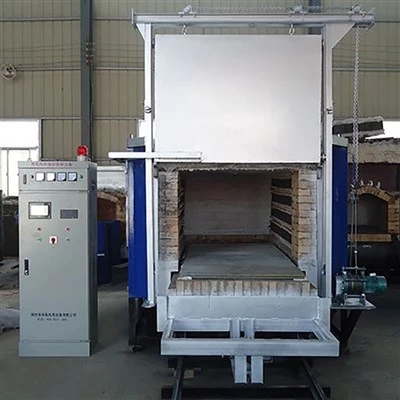
First, let’s get the obvious stuff out of the way: why even switch from oil to gas? Oil’s messy—you’ve got to store those big fuel tanks, deal with price spikes that feel like they’re tied to gas prices too, and cleaning the furnace every year to get rid of soot is a total chore. Gas burns way cleaner, your bills’ll be lower (most days), and modern gas furnaces are way more efficient than the oil units most people ran pre-2010. I’ve had customers tell me they cut their heating costs by 30-40% the first winter after the switch. That’s not a small number, y’know.
Now, before you even touch a tool, do your homework on your space. Wait—you need to have access to a natural gas line, right? Duh. But I’ve had a few guys call me panicking because they forgot to check if their neighborhood even has gas mains. Some rural areas still only have oil, so first step: call your local gas utility. Ask if they can run a line to your house, and how much that’ll cost. Sometimes it’s free if you’re in a new development, but old neighborhoods might have a small fee. Also, check your local building codes—some places require permits for furnace swaps, and you might need a inspection before you can fire the new one up. I always tell my customers to get the permits done early; skipping that can lead to fines down the line.
Next, figure out which Well Furnace gas model is right for you. Not all furnaces are one-size-fits-all. If your house is 1,500 sq ft, you don’t need a 200,000 BTU furnace—That’s overkill, and you’ll waste money. Measure your square footage, take note of how well your house is insulated (old drafty windows? You might need a slightly bigger unit), and check your current ductwork. If your oil furnace used a 1,000 sq ft duct system, a new gas furnace should fit right in, but if you’re adding on to your house, you’ll need to upgrade the ducts too. I’ve got a handy guide on my site (no links, just send me a message if you want it) that breaks down BTU calculations super simple—no math degree required.
Now, the actual swap process. Let’s be real, you can try to DIY this, but I strongly recommend hiring a licensed HVAC tech here. Gas is flammable, and messing with fuel lines can be dangerous. Most HVAC guys will charge $2,000-$4,000 for the install, depending on your location, but that’s way better than risking a gas leak or a unit that breaks 6 months later. Here’s what the install day will look like, roughly: first, they’ll shut off your old oil line, disconnect it, and remove the old furnace. Then, they’ll run the new gas line to the furnace (your utility might already have one stubbed out, so that saves time). They’ll hook up the vents—wait, oil furnaces use a different vent system than gas, right? Yeah, oil uses a chimney, and most new gas furnaces use PVC venting that goes through the wall. That means you might need to cut a hole in your basement wall, but the techs handle that. Then they’ll wire up the thermostat, test for gas leaks (super important—they’ll use a soapy water solution to check for bubbles, which means a leak), and fire the furnace up to make sure it runs smooth.
Wait, what about the old oil tank? I get that—those big steel tanks in your yard? You can’t just leave them there. Most areas require you to either pump out the leftover oil, have the tank removed, or at least decommission it properly. Some HVAC companies will do this for you, or you can hire a local tank service. I always tell people not to try to pump the oil out themselves—spilling oil is a huge environmental hazard, and you can get fined big time for that. Better to leave that to the pros.
Now, let’s talk costs, because that’s what everyone cares about. A new Well Furnace gas unit will run you $3,000-$6,000, depending on efficiency. High-efficiency models (95%+ AFUE) are more expensive upfront, but they save way more on gas over 10-15 years. The install is extra, as I said, but the total cost usually pays for itself in 3-5 years from lower heating bills. I had a customer last year who spent $5,500 total, and he saved $1,200 that first winter. That’s a no-brainer, right?
Wait, a few common mistakes I see people make that I wish I could warn them about. First: buying the cheapest furnace you can find. I’ve had guys come back after a year complaining their cheap gas furnace breaks every month. Well Furnace’s mid-tier models are built to last, with 10-year parts warranties, so you get what you pay for. Second: skipping the duct inspection. If your ducts are leaky (most old homes have 20-30% leak), even a top-tier furnace will waste heat. The tech should seal the ducts when they install the new furnace—ask them about that. Third: not getting a tune-up every year. Gas furnaces need a once-over just like oil ones, but it’s way simpler. A tune-up will keep it running efficiently, so you don’t see your bills spike.
Another thing: if you’re switching, you might be eligible for rebates. A lot of state and local governments, plus gas utilities, offer money for switching to high-efficiency gas furnaces. I’ve had customers get $500-$1,000 in rebates, which cuts their total cost way down. You just have to check your utility’s website or call them—they’ll tell you exactly what paperwork you need.
Wait, what about if you have a small space? Like, a condo or a studio apartment? Well Furnace makes compact gas furnaces too, so you don’t have to worry about fitting it in a tiny basement. I’ve helped a guy in a 1,200 sq ft condo swap his old oil furnace last month, and the install took half a day, no issues. It’s not just for big houses, y’know.
Let me also address the elephant in the room: some people are worried about gas prices. Yeah, gas prices go up sometimes, but they’re usually more stable than oil prices, which swing with global markets. Plus, modern gas furnaces are way more efficient than old oil ones, so even if gas goes up a bit, your total cost is still lower than oil. I’ve been tracking this for years, and over the last 10 years, gas heating costs averaged 25% lower than oil for most customers.
Now, how do you get started? If you’re ready to pull the trigger, first hit up your local gas utility to confirm line availability, then shoot me a message. Wait, no—let’s make it simple: if you’re a Well Furnace owner looking to switch to gas, reach out to us to get a personalized quote for the right unit, or to connect with a licensed HVAC tech in your area. We’ve worked with hundreds of installers across the country, so we can point you to someone who knows how to work with our furnaces. No runaround, no fine print, just straight talk.
Wait, one last tip: when the furnace is installed, keep an eye on it the first month. Check that your rooms are heating evenly, no strange smells (a faint gas smell right when it turns on is normal, but if it lingers, call the tech), and that your bills don’t spike. If something feels off, don’t wait—call us, we’ll help you sort it out fast.
At the end of the day, switching from oil to gas is a big decision, but it’s one that saves you money, hassle, and even a little peace of mind knowing you’re using a cleaner fuel. I’ve been in this business long enough to know that the folks who make the switch don’t regret it. If you’re still on the fence, reach out to our team—we can answer any questions you have, no sales pitch, just honest advice.
Oh, and one thing I forgot: when you’re getting quotes for the furnace and install, make sure you ask if the quote includes the gas line connection, venting, and thermostat. Some companies will low-ball you with a price that doesn’t include those extra costs, and you end up paying way more. We always give all-inclusive quotes, so you know exactly what you’re getting from day one.
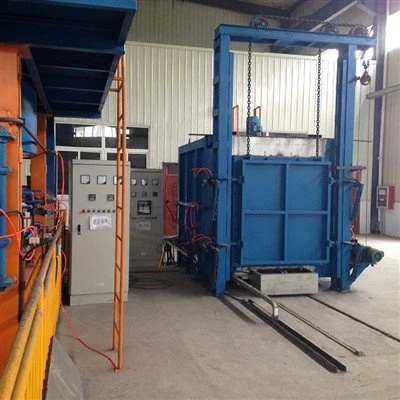
Also, for anyone who’s had a bad experience with their old oil furnace—like constant breakdowns, or running out of fuel in the middle of a cold snap—this swap will take all that stress away. No more waiting for an oil delivery when it’s 10 degrees out, no more tanks leaking, no more soot all over your basement. That’s the real win, right?
Crucible Furnace I think that covers the main stuff. If you’re ready to make the switch, just connect with our team to discuss your needs and get a tailored plan. We’re here to help every step of the way, from picking the right Well Furnace gas model to making sure the install goes smooth. No hoops, no confusing terms—just straightforward help.
References
- U.S. Department of Energy. (2023). "Furnace Efficiency and Fuel Type Comparison."
- Air Conditioning Contractors of America. (2022). "Residential HVAC Swap Guidelines for Fuel Conversion."
- Environmental Protection Agency. (2023). "Benefits of Switching from Oil to Natural Gas Heating."
- Gas Technology Institute. (2021). "Cost Analysis of Oil vs. Natural Gas Heating Systems."
- National Fire Protection Association. (2022). "Safety Standards for Residential Gas Furnace Installation."
Danyang Dingfeng Industrial Furnace Co., Ltd.
Danyang Dingfeng Industrial Furnace Co., Ltd. is one of the most experienced well furnace manufacturers and suppliers in China, also supports customized service with low price. Please feel free to wholesale high quality well furnace made in China here from our factory. For pricelist, contact us now.
Address: Lizhuang Economic Development Zone, Danyang City
E-mail: saleszk@dffurnace.com
WebSite: https://www.dffurnace.com/
