What’s up, friends – if you’ve ever walked into a hardware store, stared at a soda can, or even held a window frame, you’ve interacted with aluminum. I’ve been an aluminum supplier for 8 years now, and people always ask me: “Wait, there’s way more to aluminum than just cans and foil?” Spoiler: Yeah, there’s a ton, and not all of it’s the flimsy stuff you wrap leftover pizza in. Today, I’m breaking down the most common aluminum products we work with every day, no boring jargon, just straight-up what you actually need to know – especially if you’re in the market for aluminum and not sure which type fits your project. Aluminum
First, let’s start with the stuff everyone recognizes: flat aluminum products. This is the bread and butter of most small business clients and hobbyists I work with, and it’s split into two main types: sheet and plate. A lot of folks mix these up, so let’s keep it simple: sheet is thin – usually less than 0.2 inches thick – and plate is the thick, heavy-duty stuff. Foil? That’s basically ultra-thin sheet, like 0.006 inches or thinner, the kind you bake with or wrap leftovers in. But I’m not here to talk about your kitchen supplies. For suppliers like me, sheet aluminum is used for so much more: it’s cut into panels for storefront signage, built into boat hulls (super light, so it doesn’t weigh the whole craft down), and even used in the body of some small RVs. Plate aluminum, on the other hand, is for heavy lifting – think truck bed liners, structural parts for construction, or custom equipment for manufacturing. I’ve had a couple of customers come to me lately needing 1/4-inch sheet for a backyard workshop project, and a fabrication shop ordering 2-inch plate for a bridge component – both are flat, but totally different uses.
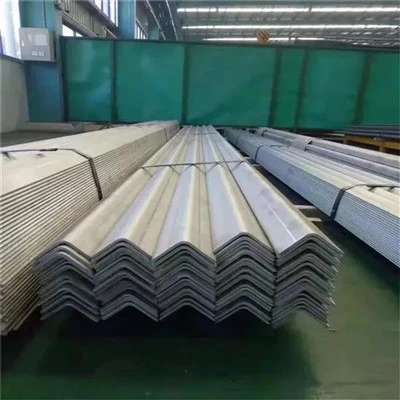
Next, extruded aluminum – this is probably the most versatile product I sell, and it’s where the magic happens for custom shapes. Extrusion works by heating a solid aluminum billet (that’s basically a big log of aluminum) and pushing it through a die, kind of like squeezing toothpaste through a shaped tube. The die can be customized, so you can get everything from simple, solid bars to hollow tubes, T-sections, even weirdly shaped profiles for window frames or solar panel mounts. I love extrusions because they’re lightweight but strong, way easier to work with than steel, and corrosion-resistant so they don’t rust out over time. Some of my regular clients use extruded aluminum for bike frames, industrial machinery parts, and even art installations – one artist hit me up last year for a custom curved extrusion to build a metal sculpture that’s now in a downtown gallery. A quick tip for anyone buying extrusions: make sure you specify the alloy (more on that later) and the finish – anodized is way better for outdoor stuff because it won’t scratch or fade as easily.
Then there’s cast aluminum – this is the one that gets less hype but is totally essential for parts with complex shapes. Casting works by pouring molten aluminum into a mold, so you can make things with tiny details, like engine parts, door handles, or decorative hardware. I used to think cast aluminum was just for car engines, but no – it’s in lawn mowers, power tool casings, even kitchen appliances like slow cooker bases. The cool thing about cast aluminum is that it can hold intricate designs without breaking, and it’s cheaper than machining solid aluminum for small, detailed parts. The downside? It’s not as strong as extruded or rolled aluminum, so it’s not for heavy structural use. Last month, a client needed cast aluminum brackets for a outdoor patio set – they have a nice decorative curve, which is way easier to cast than to machine from a solid bar.
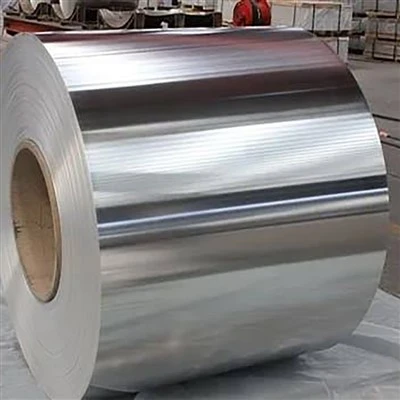
Wait, I can’t forget about aluminum foil and packaging products, but let’s dive a little deeper than the kitchen. Yeah, foil is still a big seller, but there’s also aluminum foil used for insulation in buildings – it’s installed in walls and attics to reflect heat, which saves energy. Then there’s aluminum cans, obviously, which are 100% recyclable, way more than plastic. I work with a few beverage companies that source aluminum cans from us; they love that they’re lightweight, so shipping costs are lower, and they keep drinks fresh. Also, there’s aluminum coil – that’s basically large sheets rolled into a big spool, which is used to make all kinds of things, from siding on houses to gutters to even airplane parts. Coil is super efficient for manufacturing, because it’s easy to cut and shape on assembly lines.
Now, let’s talk about alloys – because here’s where a lot of people get confused, and as a supplier, this is something I always explain to clients before they buy. Pure aluminum is soft, so we mix it with other elements like copper, magnesium, or silicon to make it stronger for different uses. The most common alloys I sell are 6061, 6063, and 3003. 6061 is the workhorse – it’s strong, weldable, and corrosion-resistant, so it’s used for structural parts, bike frames, and truck parts. 6063 is more for extrusions, like window frames and door trim, because it’s easy to anodize and has a smooth finish. 3003 is the one for sheet metal, like food equipment, gas tanks, and those beverage cans I mentioned earlier – it’s corrosion-resistant and a bit softer, so it’s easy to form into shapes. If you’re not sure which alloy you need, just tell me what your project is, and I’ll point you in the right direction – no fancy stuff, just straight answers.
Now, let’s get real about why aluminum is such a big deal, and why these products are everywhere. It’s lightweight – way lighter than steel, so it’s perfect for transportation, where every pound saved means better fuel efficiency. It’s corrosion-resistant, so it doesn’t rust like iron or steel, which is why it’s used for outdoor stuff. It’s 100% recyclable, too – you can melt down old aluminum cans, foil, or parts and turn them into new products without losing any quality. That’s a huge selling point for a lot of my clients who care about sustainability. I’ve had customers choose aluminum over steel just because it’s recyclable, and that’s cool to see – people are starting to prioritize that more these days.
I should also mention some niche aluminum products that you might not think about. Like aluminum wire – it’s used for electrical transmission lines, because it’s conductive and lightweight. Or aluminum powder, which is used in paints, explosives, and even some 3D printing materials. I sold some aluminum powder to a tech startup last year, they were using it to make 3D printed parts for drones. It’s not a big seller for me, but it’s proof that aluminum is used in way more industries than just construction and food.
As an aluminum supplier, I’ve seen a lot of trends lately. More and more small businesses are using aluminum for custom signage because it looks sleek and lasts longer than wood or vinyl. Homeowners are switching to aluminum gutters instead of vinyl because they don’t crack in cold weather. Even hobbyists are getting into aluminum for DIY projects – like building a custom metal desk or a raised garden bed. If you’re someone who’s been thinking about using aluminum for a project, don’t overcomplicate it – just reach out, tell me what you need, and I’ll hook you up with the right product at a fair price.
Wait, let’s address a common mistake I see all the time: buying the wrong product for the job. A lot of people come to me asking for thin sheet aluminum for a structural project, and that’s a no-go – it’s too flimsy. Or they order cast aluminum for a part that needs to hold a lot of weight, and it breaks. That’s why I always make sure to ask questions: what’s the project size? Does it need to be outdoors? How much weight will it hold? That way, I can point you to the right aluminum product, no waste, no hassle.
At the end of the day, aluminum is one of the most versatile metals on the planet, and as a supplier, I’m here to help you navigate all the different forms. Whether you’re a construction contractor needing extrusions for a building, a small business owner needing sheet for signage, or a hobbyist looking for something for a DIY project, I can get you what you need. No confusing jargon, no hidden fees, just straight aluminum products that work.
If you’re ready to talk through your project, send a message, and let’s get the ball rolling. I’m here to answer any questions, help you pick the right product, and make the process as easy as possible. Don’t overcomplicate it – aluminum is simpler than it looks, and I’m here to make sure you get exactly what you need.
Aluminum Sheet/Plate References
- Davis, J. R. (2001). Aluminum and Aluminum Alloys. ASM International.
- International Aluminum Institute. (2023). Global Aluminum Statistical Review.
- Dotzenrath, C. (2019). Extruded Aluminum: Properties and Applications. Materials Today Communications.
Wuxi Jin Ming Jian De Industry & Trade Co., Ltd.
Wuxi Jin Ming Jian De Industry & Trade Co., Ltd. is one of the most professional aluminum manufacturers and suppliers in China, also supports customized service. With abundant experience, we warmly welcome you to wholesale CE approved aluminum in stock here from our factory. If you have any enquiry about quotation, please feel free to email us.
Address: 2102-2105, Yuexing Building, Guangnan Road, Liangxi District, Wuxi City, Jiangsu Province, China.
E-mail: info@wxjmjdss.com
WebSite: https://www.jmjdsteelexp.com/
