If you’re reading this, chances are your battery charger panel just hit a weird glitch—maybe it’s overcharging your system, not charging at all, or throwing a random error code that makes zero sense. I’ve been in the battery charger panel game for 7 years now, and let me tell you, resets are the first fix most of my clients reach for when things go sideways. But it’s not just jiggling a button and crossing your fingers. I’ve seen too many guys skip the step-by-step, and end up making a small problem way worse—like blowing a fuse because they skipped disconnecting the battery first, or corrupting the panel’s internal memory because they rushed the reset. This post is everything I’ve learned fixing charger panels for RVs, solar setups, and commercial warehouses, broken down so even if you’re not a tech whiz, you can do it right. Battery Charger Panel
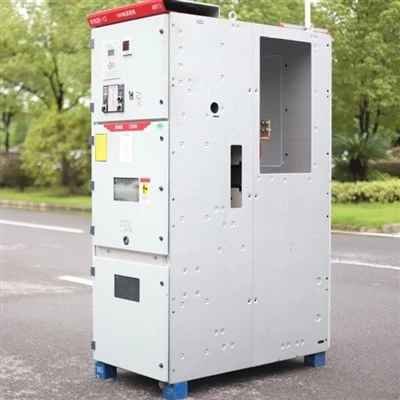
First off, let’s clarify: a “reset” here isn’t just pressing a hidden button. It’s a safe, two-part process that clears temporary glitches and recalibrates the panel’s connection to your battery bank. Temporary glitches are super common—think of it like your phone freezing; sometimes it just needs a hard restart to kick off. The hard reset I’m gonna walk you through is the one that works for 90% of the issues I get emails about, from the 10A small panels for camping gear to the 100A heavy-duty ones for off-grid homes. But before you even touch the panel, you need to prep, because messing up the pre-reset steps is how you damage stuff.
Let’s start with the prep. I know, I know—prep sounds boring, but I can’t stress this enough. The last thing you want is to short something out. First, grab your panel’s user manual. Every brand (even the cheap ones I supply) has a specific reset routine, and some panels have a little memory chip that keeps track of your charge settings—skip the manual, and you might accidentally reset your voltage cut-off threshold, which means your battery will die way faster. If you lost the manual, most suppliers (yep, including us) have PDFs on their website, but don’t wing it. Next, turn off all the loads connected to the charger panel. That means unplugging your fridge, turning off your lights, anything drawing power from the battery bank. Then, disconnect the negative cable from the battery. Wait—negative first, always. Positive is hot, so disconnecting negative first prevents sparks. That’s a rule I drilled into every new tech on my team, so I’m passing it on. Leave both cables disconnected for 2 minutes. That gives the panel’s internal capacitors time to drain fully—those little things hold a charge even when the system is off, so if you skip waiting, the reset won’t clear the glitch, and you might get a shock. I’ve seen a guy get a nasty jolt because he pulled the cable too soon, so trust the 2-minute wait.
Now, let’s get to the actual reset. There are two types of resets I recommend: a soft reset and a hard reset. Most of the time, a soft reset works—this is the one you do through the panel’s interface, no tools needed. It’s less invasive, so it’s better if you don’t want to erase your custom settings. How to do a soft reset: for most panels, hold the “menu” or “power” button for 10 to 15 seconds. Don’t tap it—hold it. Some panels will flash a reset icon, others will just shut off and turn back on on their own. If that doesn’t work, move to a hard reset. A hard reset is the deep clean—this erases any temporary glitches and recalibrates the panel, but it might reset your custom settings to factory defaults, so write down your current ones (like voltage settings or charge profiles) before you do it. Here’s how I show my clients to do a hard reset: first, make sure the battery cables are still disconnected. Locate the small, circular reset button on the back of the panel—it’s usually labeled “RST” or “reset,” and it’s tiny so you’ll need a paperclip or a toothpick (nothing sharp enough to scratch, obviously). Press and hold that button for 20 seconds. Then, while still holding the reset button, reconnect the positive battery cable first, then the negative. Wait another 10 seconds, then let go of the reset button. The panel should power on automatically, and it’ll run through its start-up cycle for 30 to 60 seconds. That’s the reset done.
Wait, but what if the panel isn’t powering on at all? That’s a common issue too, and sometimes people think they need a whole new panel, but it might just be a bad reset. Let’s troubleshoot post-reset. First, after you do either reset, check the error codes. Most panels have a small display that’ll show “OK” if the reset worked, or a new code if there’s a real problem. If it’s still showing an error, double-check your cable connections—loose wires are the #1 reason resets fail. I’ve had clients send me photos of their panels with wires half-plugged, and wonder why the reset didn’t stick. If the display is blank, check the fuse on the charger panel—they’re usually near the input wire, and sometimes blow when the panel glitches. If the fuse is good, your battery might be too dead to trigger the panel—charge the battery a little first before doing a reset.
Now, let’s talk about when a reset won’t fix it. I’ve had clients call in panic saying their panel is broken, and a reset is all they need 80% of the time, but the other 20%? It’s a hardware issue. If after resetting, the panel still overcharges the battery, or won’t switch between charging modes (like from solar to grid), or the display is cracked or unresponsive, then it’s time to reach out. But even then, a reset is always the first step I recommend, because sometimes even tiny hardware issues show up as software glitches first.
Here’s a pro tip I only share with my regular clients: after you reset, take 2 minutes to recalibrate the panel’s settings. A lot of people skip this, and end up with charging issues later. Once the panel is back on, go into the menu and set your battery type (lead-acid, lithium, etc.), your voltage rating, and your charge current. If you use lithium batteries, make sure you set the BMS (battery management system) communication mode—some panels have a setting for that, and skipping it means the panel won’t sync with your battery properly. I always tell people to jot these settings down somewhere, so if they have to reset again in the future, they don’t have to figure it out from scratch.
I know a lot of you out there might be tempted to skip the manual or cut corners, especially if you’re in a pinch. But let’s be real— I started in this business because my own RV’s charger panel died on a cross-country trip, and I messed up a reset by disconnecting the positive first. It took me 2 hours to fix the spark and then a whole day to replace the blown fuse. That’s why I made it a point to teach every reset the right way. For our clients, I even include a one-page cheat sheet with every panel we sell—step-by-step reset instructions, common error codes, and pre-reset checks.
Now, if you tried all these steps and your panel is still acting up, or you just don’t wanna mess with it—no judgment. We sell battery charger panels for all kinds of setups, from small 12V ones for campers to 48V industrial panels for warehouses, and we also offer support for repairs or replacements. If you’re ready to grab a new panel, need a replacement part, or just have questions about your current setup, hit us up. We don’t do the fancy sales talk—we just help people get their power systems back on track, whether they’ve had their panel for 6 months or 6 years.

At the end of the day, resetting a battery charger panel isn’t rocket science. It’s just about following the right steps, being patient, and not cutting corners. I’ve fixed thousands of panels over the years, and 9 out of 10 times, a simple reset was all it took. Next time your panel glitches, don’t stress—grab your manual, disconnect the battery, and follow the steps I laid out. If it still isn’t working, we’re here to help.
Battery Charger Panel References:
- "Battery Charger Panel Troubleshooting Guide," National Renewable Energy Laboratory, 2022.
- RV Battery System Maintenance Manual, Recreation Vehicle Industry Association, 2023.
- Industrial Power Equipment Reset Protocols, International Electrotechnical Commission, 2021.
Worldwide Electric Stock Co., Ltd.
As one of the most professional battery charger panel manufacturers and suppliers in China, we have world-leading production equipment and strong manufacturing capabilities. Please feel free to buy advanced battery charger panel at competitive price from our factory.
Address: No. 1 Wanzhou Road, Xiangyang City, Hubei Province, China
E-mail: sales@worldwide-electric.com.cn
WebSite: https://www.wwegroup-electric.com/
