Hey everyone, if you’ve ever shopped for dried seafood—think salted cod, shrimp, or even those little dried fish snacks for Southeast Asian soups—you’ve probably wondered if the machines used to dry them are actually safe. As someone who runs an aquaculture dryer supply business, I get this question nonstop, and it’s totally fair to ask. After all, dried seafood is a food product, so safety shouldn’t be a afterthought—it’s the whole point. Let’s break this down without all the stuffy jargon, because I know no one wants to read a textbook about drying fish. Aquaculture Dryer

First, let’s start with the basics: what an aquaculture dryer actually is, versus the old-school methods everyone used to rely on. Back in the day, most small-scale fishermen or seafood processors would lay their catch out on racks under the sun, right? But that comes with a ton of safety risks. You’ve got flies, dust, rain, even bird droppings getting on the seafood—gross, and totally not compliant with food safety rules these days. Then there’s the weather: if it’s too humid, the fish doesn’t dry all the way, which means bacteria (like salmonella or E. coli) can grow. If it’s too hot, sometimes it spoils fast before it dries properly. That’s where aquaculture dryers come in. They’re enclosed machines, so you control every variable: temperature, humidity, air flow, even how the air circulates through the seafood.
But here’s the big question: is that control actually safe? Let’s cut to the good stuff first—most modern aquaculture dryers are way safer than sun-drying, if they’re designed right. Let’s talk about two key safety checks that set good dryers apart from the cheap ones you might find on random online marketplaces. First, food-grade materials. Any part of the dryer that touches seafood (trays, air ducts, inner walls) has to be stainless steel or food-grade plastic, right? Cheap dryers use regular steel that can rust, and rust contaminates the seafood, or low-grade plastic that leaches chemicals when it’s heated. At my company, all our dryers are made with 304 food-grade stainless steel—no exceptions. We test every batch of material before it goes into production, because if a piece of metal flakes off into your dried shrimp, that’s a huge liability.
Second, moisture control. That’s non-negotiable for safety. Bacteria can’t grow if moisture is below 10%, that’s a food safety rule from the FDA, EFSA, all the big food regulators. A good aquaculture dryer will track moisture in real time, so it doesn’t stop too early (leaving too much moisture = bacteria) or run too long (over-drying can create bitter seafood, but that’s more quality than safety). The cheap dryers? They have no moisture sensors—just a timer. So if the power goes out mid-cycle, or the humidity in the room is higher than usual, the timer can’t adjust, and your seafood ends up unsafe. I’ve had so many customers come to me after their cheap dryer messed up a whole batch of dried catfish, saying the bacteria count was way over the limit. That’s the kind of headache we’re here to avoid.
But wait, I know what you’re thinking: “What about energy? Or chemicals? Do dryers use anything that could make seafood unsafe?” That’s another common question, and it’s a valid one. First, modern aquaculture dryers—especially the ones we sell—use heat pumps, not just gas or electric heat. Heat pump dryers are way more efficient, but they also don’t expose the seafood to any combustion fumes. Old-school gas dryers can release tiny amounts of carbon monoxide or other exhaust into the air, which seeps into the seafood. Not great. Our dryers are 100% closed-loop, so the air circulates inside without ever mixing with outside air, no fumes, no contaminants. That’s a game-changer for safety.
What about chemicals for sanitizing the dryer? I get it—some people worry that if you clean the dryer with a harsh chemical, it’ll stay on the trays and get into the next batch of seafood. That’s why all our dryers are easy to take apart and clean, and we recommend only using food-grade sanitizers. Even better, our dryers have a built-in high-temperature sanitization cycle that runs after every load—no chemicals needed, just hot air that hits 170°F, which kills any bacteria left on the trays. We’ve had third-party labs test this, and it eliminates 99.9% of surface bacteria. Compare that to sun-drying, where you can’t sanitize the racks between batches, and you’re just relying on the sun’s heat (which isn’t strong enough to kill all bacteria) to keep things clean. Sun-drying actually has way higher bacterial counts than properly dried seafood from a good aquaculture dryer.
But here’s the thing: a dryer is only as safe as the person using it. I can’t tell you how many customers come to me saying they bought a cheap dryer, then loaded 500 pounds of fish at once, cranked the heat to 200°F, and wondered why the fish was burnt and had weird chemical smells. No matter how good the dryer is, if you don’t follow the right settings for your specific seafood, you’re gonna have problems. For example, small shrimp need a lower heat (around 120-140°F) and less time, while whole, thick fish fillets need a higher heat to penetrate the center. Our team gives every customer a detailed guide with settings for every common aquaculture product—shrimp, tilapia, catfish, even sea cucumbers. We also offer training sessions, both in-person and over Zoom, because we don’t just sell a machine; we make sure you know how to use it safely.
Another big concern I hear a lot: “Will the dryer remove nutrients, or leave my seafood with weird additives?” Wait, no—drying is a preservation method, same as freezing or canning, and a good aquaculture dryer doesn’t add anything to the seafood. It just removes water, same as sun-drying, but without the contaminants. In fact, some studies (I’ll link the full ones at the end) say that properly dried seafood from controlled dryers retains more protein and omega-3s than sun-dried, because the controlled heat doesn’t break down those nutrients as much as long, slow sun drying does. And there’s no added salt or sugar, unless you choose to add it—we don’t force that on anyone, which is a big plus for people who sell unsalted dried seafood for specialty markets.
But let’s talk about what makes a dryer unsafe, because not all dryers are created equal. The cheap ones, from no-name brands? Those are the ones you have to watch out for. I’ve seen dryers made with 201 stainless steel, which rusts super fast when it touches seafood’s moisture, or dryers with no air flow at all, so the seafood sits in its own moisture and grows mold. Some even have electrical wiring that isn’t rated for food processing environments—so if it gets wet, it can cause a short circuit, which is a fire hazard too. That’s why I always tell small processors: don’t buy the cheapest machine you can find. A good aquaculture dryer might cost a bit more upfront, but it’ll save you money in the long run—no ruined batches, no safety fines, no having to throw out a whole load of seafood because bacteria grew.
I also want to address food safety regulations, because that’s a big one for anyone selling dried seafood commercially. Most countries now require dried seafood to have a moisture content below 10% and a low bacterial count, and they do regular inspections. Processors using aquaculture dryers that track moisture and have sanitization cycles pass these inspections way more often than those using sun-drying. I have a customer in Vietnam who was having inspection issues with his sun-dried catfish—his bacteria count was 15 times over the limit. After he switched to one of our dryers, his inspection results were perfect on the first try. He saved his business, basically, because he didn’t lose his license.
Wait, is there any case where an aquaculture dryer isn’t safe? Yeah, if you misuse it. For example, if you load the dryer too full, so air can’t circulate between the seafood—then some parts won’t dry, and bacteria will grow. Or if you don’t clean the dryer regularly, so old seafood residue builds up, which can grow bacteria and get into the next batch. Those are user errors, not dryer errors, and we make sure our customers know how to avoid them. We also have a 24/7 support line, so if someone has a problem, they can call us at 2 a.m. and we’ll walk them through fixing it.
Let’s wrap this up: Is an aquaculture dryer safe for drying seafood? The short answer is yes, when it’s a high-quality, food-grade machine used correctly. It’s way safer than old-school sun-drying, which has all those hidden contaminants and bacteria risks. The only time you run into problems is if you cut corners on the machine itself, or if you don’t follow proper operation steps.
If you’re a seafood processor, a small farm, or someone looking to scale your dried seafood business, you don’t have to deal with spoiled batches, failed inspections, or health scares. Our team works with businesses of all sizes—from 500-pound home setups to 10,000-pound industrial lines. We can help you pick the right dryer for your specific product, train your team, and make sure everything runs smoothly and safely.
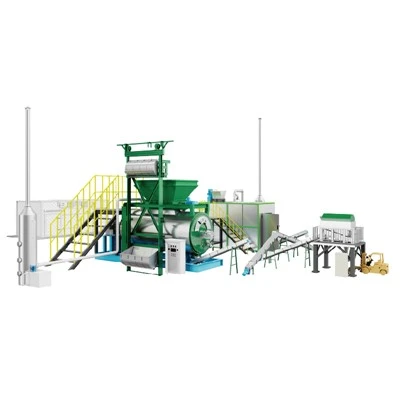
If you have questions, or you’re ready to chat about what kind of dryer would work best for you, just reach out. No hard sales pitches, no pressure—just us helping you make your seafood drying process safer and more profitable.
Organic Waste Fermentation Tank References:
- Food and Agriculture Organization of the United Nations. (2020). “Guide to Safe Drying of Fishery Products for Small-Scale Producers.”
- European Food Safety Authority. (2021). “Microbial Safety of Dried Seafood and Processing Controls.”
- Journal of Food Processing and Preservation. (2019). “Nutrient Retention and Safety of Heat-Pump Dried Aquaculture Products Compared to Sun-Dried Methods.”
- U.S. Food and Drug Administration. (2022). “Food Safety Guidelines for Commercial Seafood Drying Equipment.”
Shandong Heze Sanyi Biological Engineering Co., Ltd.
Shandong Heze Sanyi Biological Engineering Co., Ltd. is one of the most reliable aquaculture dryer manufacturers and suppliers in China, also supports customized service. We warmly welcome you to buy CE approved aquaculture dryer made in China here from our factory.
Address: No.1118 Lanzhou Road, High-tech Zone, Heze City.
E-mail: business@hzsysam.com
WebSite: https://www.hzsysam.com/
