Hey there! I’m a supplier of plastic labels, and you know, these days, there’s a lot of buzz about finding alternatives to plastic. It’s not just some passing trend; it’s a real concern for the environment. So, I thought I’d sit down and have a chat about whether there are any good alternatives to plastic labels. Plastic Label
Let’s start by looking at why people are so keen on finding substitutes for plastic labels in the first place. Plastic, as we all know, has some major drawbacks. It takes ages to break down in the environment. You’ve probably seen those images of beaches littered with plastic waste or heard about the huge garbage patches floating in the oceans. A lot of plastic ends up in landfills, where it just sits there for hundreds of years. And then there’s the issue of microplastics. When plastic breaks down, it can turn into tiny particles that can get into our food chain and potentially harm wildlife and even us humans.
So, what are the options out there?
Paper Labels
Paper is one of the most obvious alternatives. It’s a natural material that comes from trees. The good thing about paper labels is that they’re biodegradable. That means they’ll break down over time in the environment without causing long – term pollution. They’re also pretty easy to print on, and you can get a wide range of finishes, like matte or glossy, to make your product look great.
There are different types of paper for labels. For instance, kraft paper is a popular choice. It has a rustic, natural look, which is perfect for products that want to give an eco – friendly or artisanal vibe. And then there’s coated paper. The coating can make the label more resistant to water and scratches, which is handy if the product is going to be in a damp environment or handled a lot.
But paper labels also have their limitations. They’re not as durable as plastic labels. If they get wet, they can start to tear or lose their adhesion. And in some industrial settings where there’s a lot of heat, chemicals, or abrasion, paper labels might not hold up well.
Biodegradable and Compostable Materials
There are some newer materials on the market that are designed to be biodegradable or compostable. For example, polylactic acid (PLA) is a type of bioplastic made from renewable resources like corn starch or sugarcane. It has similar properties to traditional plastics in terms of flexibility and printability, but the big difference is that it will break down under the right conditions.
Another option is cellulose – based materials. These are made from plant cellulose, which is a very abundant and renewable resource. They can be used to make labels that are not only biodegradable but also have a nice, natural look.
The advantage of these materials is that they offer a more sustainable alternative to traditional plastic labels. They can help reduce the environmental impact of your product packaging. However, they can be a bit more expensive than regular plastic labels. And there’s also the issue of proper disposal. For them to break down, they need to be in the right composting or biodegradation environment, which might not be available everywhere.
Fabric Labels
Fabric labels are another interesting alternative. They’re commonly used in the clothing industry, but they can also be used for other products. Fabric has a soft, tactile feel that can give your product a high – end look. It’s also very durable, and it can withstand a lot of wear and tear.
You can print on fabric using different techniques, like screen printing or digital printing. And the colors can be really vibrant. Fabric labels are also more breathable than plastic labels, which can be an advantage for some products, like food or cosmetics.
But fabric labels have their own set of challenges. They’re more expensive to produce than plastic labels. And they might not be suitable for all types of products. For example, if you need a label that can be easily removed or re – positioned, fabric labels might not be the best choice.
Metal Labels
Metal labels are a bit more niche, but they have their own unique appeal. They’re extremely durable and can last for a very long time. They can give your product a high – quality, industrial look. You can use different metals, like aluminum or stainless steel, and they can be engraved or printed on.
Metal labels are great for products that are going to be in harsh environments, like machinery or outdoor equipment. They’re resistant to heat, chemicals, and scratches. However, they’re heavy and can be quite expensive to produce. And they’re not as flexible as plastic labels, so they might not be suitable for products with curved surfaces.
So, What Should You Choose?
As a plastic label supplier, I know that plastic labels still have a lot of advantages. They’re cheap to produce, they’re very versatile in terms of design and application, and they’re highly durable. But I also understand the concerns about the environment.
If you’re a business looking for a label solution, you need to consider a few things. First, think about the nature of your product. If it’s a high – end fashion item, a fabric or metal label might be a great choice to add a touch of luxury. If it’s a food product, a paper or biodegradable label could be more appropriate to show your commitment to sustainability.
You also need to think about your budget. Some of these alternative materials can be more expensive than plastic. But in the long run, using a more sustainable label might actually help you attract environmentally – conscious customers.
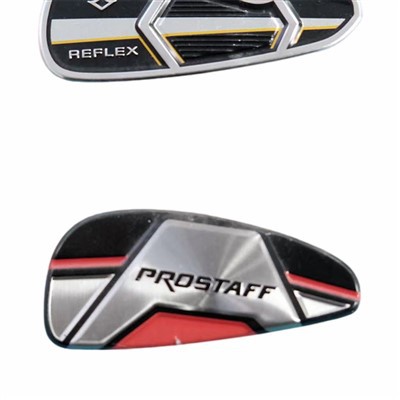
And then there’s the issue of the environment. If you’re really serious about reducing your environmental impact, you might want to consider switching to a biodegradable or compostable label. But make sure you educate your customers about how to properly dispose of these labels so they can break down as intended.
Let’s Talk
Epoxy Sticker If you’re interested in finding the right label solution for your product, whether it’s plastic or one of these alternatives, I’d love to have a chat with you. I’ve got a lot of experience in the label business, and I can help you figure out what’s going to work best for you. Just reach out, and we can start discussing your needs and how we can make your product stand out with the perfect label.
References
- "The Handbook of Biodegradable Polymers" by A. J. Domb, J. Kost, and D. M. Wiseman
- "Packaging Technology" by Owen R. Olsson
- "Labeling Technology" by various industry experts in the field of packaging and labeling
Guizhou Mingguan Sign Nameplate Products Co., Ltd.
We’re well-known as one of the leading plastic label manufacturers and suppliers in China. With abundant experience, we warmly welcome you to wholesale bulk customized plastic label at low price from our factory. For quotation and free sample, contact us now.
Address: Xinpu New District, Zunyi City, Guizhou Province of China
E-mail: zhangyixuanmglabel@126.com
WebSite: https://www.mingguan-label.com/
