Yo, fellow industry peeps! I’m stoked to chat with you about the design concept of the PE Centralized Feeding System. As a supplier in this game, I’ve seen firsthand how crucial it is for you to understand how these systems work and why they’re built the way they are. So, let’s dive right in! PE Centralized Feeding System
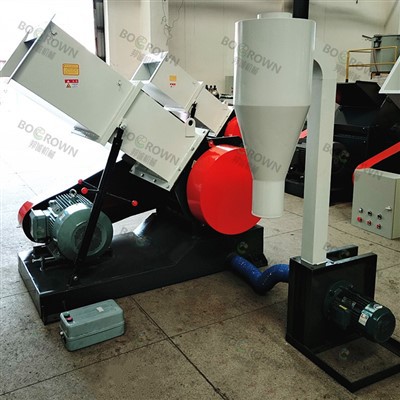
The Basics of PE Centralized Feeding Systems
First off, what’s a PE Centralized Feeding System? Well, in a nutshell, it’s a setup that delivers raw materials, like polyethylene (PE), to multiple processing machines in a manufacturing plant in a central and controlled manner. Instead of having each machine handle its own raw material supply, a centralized system takes care of everything from storage to transportation.
This kind of system is super important in the plastics industry, where efficiency and quality control are key. Whether you’re making plastic bags, containers, or any other PE products, having a reliable feeding system can make or break your production.
Design Goals
The design concept of a PE Centralized Feeding System is centered around a few main goals. These goals drive every decision we make when building these systems, and understanding them can give you a better idea of how they fit into your operation.
Efficiency and Productivity
One of the biggest reasons you’d invest in a centralized feeding system is to boost your efficiency and productivity. By automating the material delivery process, we can reduce the time and labor required to keep your machines supplied with raw materials.
Think about it. Instead of having workers manually filling hoppers at each machine, the centralized system can do it all at once. This not only saves time but also allows your employees to focus on more important tasks, like quality control or machine maintenance.
Quality Control
Another crucial goal is quality control. In the plastics industry, even small variations in the raw material can have a big impact on the final product’s quality. A well-designed PE Centralized Feeding System ensures that the right amount of material is delivered to each machine at the right time, with consistent quality.
We use advanced sensors and control systems to monitor the material flow and make adjustments as needed. This helps to prevent issues like overfeeding or underfeeding, which can lead to defects in your products.
Flexibility and Scalability
Your manufacturing needs are likely to change over time, so it’s important that your feeding system can adapt. That’s why flexibility and scalability are key design considerations.
Our systems are designed to be modular, which means you can easily add or remove components as your production requirements change. Whether you’re expanding your operation or switching to a different type of PE material, the system can be adjusted to meet your needs.
Safety
Safety is always a top priority in any manufacturing environment. Our PE Centralized Feeding Systems are designed with a number of safety features to protect your workers and equipment.
For example, we use enclosed conveyors to prevent dust and debris from escaping, which can be a health hazard. We also include emergency stop buttons and safety interlocks to ensure that the system can be shut down quickly in case of an emergency.
Key Design Elements
Now that we’ve covered the design goals, let’s take a look at some of the key design elements that make up a PE Centralized Feeding System.
Storage Silos
The storage silos are where the raw PE material is stored before it’s delivered to the processing machines. These silos come in different sizes and configurations, depending on your storage needs.
We design our silos to be weatherproof and airtight to prevent the material from getting contaminated or degraded. They also include level sensors to monitor the amount of material in the silo, so you know when it’s time to refill.
Conveying Systems
Once the material is in the silos, it needs to be transported to the processing machines. That’s where the conveying systems come in. We use a variety of conveying methods, including pneumatic conveyors, screw conveyors, and belt conveyors, depending on the type of material and the distance it needs to travel.
Pneumatic conveyors are often used for transporting fine powders and granular materials, as they can move the material quickly and efficiently through a network of pipes. Screw conveyors are better suited for handling thicker materials, while belt conveyors are ideal for transporting larger volumes of material over long distances.
Dosing Units
The dosing units are responsible for measuring and delivering the right amount of material to each processing machine. These units use precision sensors and control systems to ensure that the material is dosed accurately, based on your production requirements.
We offer a range of dosing units, from simple volumetric dosing systems to more advanced gravimetric dosing systems. Gravimetric dosing systems are more accurate and provide better control over the material flow, but they also tend to be more expensive.
Control Systems
The control systems are the brains of the PE Centralized Feeding System. They monitor and manage all the components of the system, from the storage silos to the dosing units.
Our control systems are designed to be user-friendly and easy to operate. They allow you to set up different feeding programs, monitor the system’s performance in real-time, and make adjustments as needed. You can also connect the control system to your plant’s network, so you can access it remotely and monitor the system from anywhere.
Benefits of Working with a Supplier
Now, you might be wondering why you should work with a supplier like us to design and install your PE Centralized Feeding System. Well, there are a few reasons.
Expertise and Experience
We’ve been in the business of designing and manufacturing centralized feeding systems for years, so we have the expertise and experience to build a system that meets your specific needs. We know the ins and outs of the industry and can offer you valuable advice and guidance throughout the process.
Customization
Every manufacturing plant is unique, and so are your feeding requirements. We offer customized solutions that are tailored to your specific needs and production goals. Whether you have a small operation or a large-scale facility, we can design a system that fits your budget and your space constraints.
Support and Maintenance
Once your system is installed, we don’t just walk away. We offer ongoing support and maintenance to ensure that your system continues to operate smoothly and efficiently. We have a team of experienced technicians who are available to provide you with technical assistance, troubleshooting, and repairs whenever you need them.
Conclusion
So, there you have it – the design concept of the PE Centralized Feeding System. As you can see, these systems are designed with a number of important goals in mind, including efficiency, productivity, quality control, flexibility, and safety. By investing in a well-designed centralized feeding system, you can improve your production processes, reduce costs, and enhance the quality of your products.
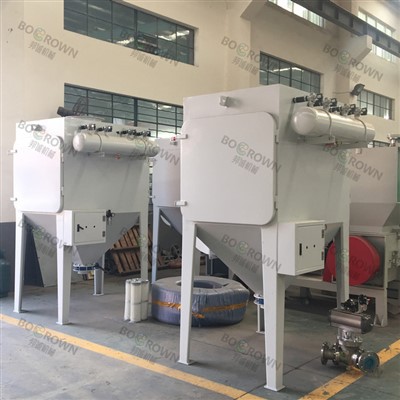
If you’re interested in learning more about how a PE Centralized Feeding System can benefit your operation, or if you’d like to discuss your specific feeding requirements, don’t hesitate to reach out. We’re here to help you find the right solution for your business.
PVC Additives Dosing Machine Let’s make your manufacturing process more efficient and profitable together!
References
- "Plastics Processing Handbook" by Hanser Publishers
- "Industrial Conveying Equipment" by John Wiley & Sons
- Various industry reports and whitepapers on centralized feeding systems
ZJG BC Machinery Co., Ltd.
As one of the most professional pe centralized feeding system manufacturers and suppliers in China, we’re featured by quality products and good price. Please rest assured to buy cost-efficient pe centralized feeding system for sale here from our factory. Contact us for custom service and OEM service.
Address: No.8 Lexi Road, Leyu Town, Zhangjiagang City
E-mail: sales@bcextruder.com
WebSite: https://www.bcextruder.com/
