As a supplier of cut resistant fabric, I’ve witnessed the growing demand for this specialized material across various industries. In this blog post, I’ll delve into a detailed comparison between cut resistant fabric and regular fabric, exploring their differences, applications, and benefits. Cut Resistant Fabric
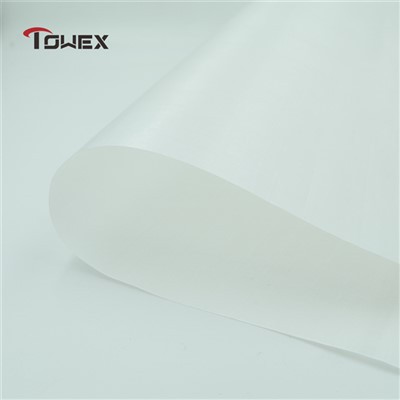
Composition and Manufacturing
Regular fabrics, such as cotton, polyester, and nylon, are commonly made from natural or synthetic fibers. Cotton, for example, is derived from the cotton plant and is known for its softness and breathability. Polyester, on the other hand, is a synthetic fiber made from petrochemicals, offering durability and wrinkle – resistance. These fibers are typically spun into yarns and then woven or knitted into fabric using standard textile manufacturing processes.
Cut resistant fabrics, however, have a more complex composition. They often incorporate high – strength fibers like aramid (e.g., Kevlar), ultra – high – molecular – weight polyethylene (UHMWPE), and steel filaments. These fibers are extremely strong and can withstand a significant amount of force. For instance, aramid fibers have a high tensile strength and excellent heat resistance, making them ideal for applications where cut protection is crucial. The manufacturing process of cut resistant fabric involves carefully blending these high – strength fibers with other base fibers and then using advanced weaving or knitting techniques to create a fabric that is both strong and flexible.
Physical Properties
Strength and Cut Resistance
One of the most significant differences between cut resistant fabric and regular fabric lies in their strength and cut resistance. Regular fabric is not designed to withstand sharp objects or high – stress cutting forces. For example, a cotton shirt can be easily torn or cut with a sharp knife. In contrast, cut resistant fabric is engineered to resist cuts from various sharp objects, including knives, blades, and saws.
The cut resistance of a fabric is measured using various international standards, such as the ANSI/ISEA 105 and the EN 388 in Europe. These standards evaluate the fabric’s ability to withstand repeated cutting actions and assign it a cut – resistance level. Cut resistant fabrics can achieve high levels of cut resistance, making them suitable for use in industries where workers are at risk of cuts and lacerations, such as the meat processing, glass manufacturing, and metalworking industries.
Abrasion Resistance
Cut resistant fabrics generally have better abrasion resistance than regular fabrics. The high – strength fibers used in cut resistant fabrics can withstand the friction and wear caused by repeated contact with rough surfaces. This property is particularly important in industrial applications where workers may be working in environments with abrasive materials. For example, in the construction industry, workers who wear clothing made from cut resistant fabric are less likely to experience premature wear and tear on their garments.
In contrast, regular fabrics may have limited abrasion resistance. Cotton, for example, can wear out quickly when exposed to abrasive surfaces, which can reduce the lifespan of the garment and potentially compromise the worker’s comfort and safety.
Heat and Chemical Resistance
Some cut resistant fabrics also offer enhanced heat and chemical resistance compared to regular fabrics. Fabrics containing aramid fibers, for example, can withstand high temperatures without melting or losing their strength. This makes them suitable for use in industries such as welding and foundries, where workers are exposed to extreme heat.
In addition, certain cut resistant fabrics can be treated to be resistant to chemicals. This is important in industries such as chemical manufacturing and laboratories, where workers may come into contact with hazardous substances. Regular fabrics, on the other hand, may not have the same level of heat and chemical resistance and may be damaged or deteriorated when exposed to these elements.
Comfort and Wearability
When it comes to comfort and wearability, regular fabrics have long been favored. Cotton, for example, is known for its softness and breathability, which makes it comfortable to wear for extended periods. It allows air to circulate around the body, reducing sweating and discomfort. Polyester blends can also be designed to be comfortable, with features like moisture – wicking properties that keep the wearer dry.
Cut resistant fabrics have traditionally been associated with being stiff and less comfortable. However, advancements in textile technology have led to the development of more comfortable cut resistant fabrics. Manufacturers are now able to blend high – strength fibers with softer base fibers, such as cotton or polyester, to create fabrics that are both cut resistant and comfortable. These fabrics are designed to be flexible and allow for a wide range of motion, which is important for workers who need to perform physical tasks.
Applications
The applications of regular fabric are vast and diverse. They are commonly used in the fashion industry for making clothing, such as shirts, dresses, and pants. They are also used in home textiles, such as bedding, curtains, and upholstery.
Cut resistant fabric, on the other hand, is primarily used in industries where cut protection is essential. In the meat processing industry, workers wear cut resistant gloves and aprons to protect themselves from sharp knives and other cutting tools. In the glass manufacturing industry, cut resistant sleeves and jackets are worn to prevent cuts from broken glass. In the metalworking industry, cut resistant clothing is used to protect workers from sharp edges and flying metal chips.
Cost
Cost is an important factor to consider when comparing cut resistant fabric and regular fabric. Regular fabrics are generally more affordable than cut resistant fabrics. The raw materials used in regular fabrics are more readily available and less expensive to produce. In addition, the manufacturing processes for regular fabrics are more straightforward and less costly.
Cut resistant fabrics, on the other hand, are more expensive due to the high – cost of the specialized fibers used in their composition and the complex manufacturing processes involved. However, it’s important to note that the cost of cut resistant fabric should be weighed against the potential savings in terms of reduced workplace injuries and increased productivity. Investing in cut resistant fabric can lead to fewer worker compensation claims and less downtime due to injuries, which can ultimately result in cost savings for businesses.
Why Choose Our Cut Resistant Fabric
As a supplier of cut resistant fabric, we offer high – quality products that meet international standards for cut resistance. Our fabrics are made from the latest high – strength fibers and are manufactured using advanced techniques to ensure maximum protection and comfort.
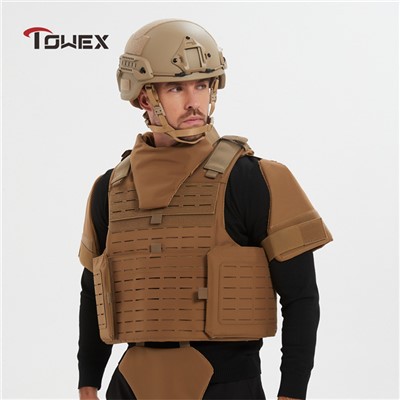
We understand the diverse needs of our customers and can provide customized solutions based on their specific requirements. Whether you need cut resistant fabric for gloves, aprons, sleeves, or full – body suits, we have the expertise and resources to deliver the right product.
Ultra Fabrics If you’re interested in learning more about our cut resistant fabric or would like to discuss a potential purchase, we encourage you to get in touch with us. We’re committed to providing excellent customer service and helping you find the best cut resistant fabric solution for your needs.
References
- ANSI/ISEA 105 – 2016, American National Standard for Hand Protection—Method of Test and Classification for Cut Resistance of Hand Protection.
- EN 388:2016, Protective gloves against mechanical risks.
Jiaxing Towex New Materials Co., Ltd.
Jiaxing Towex New Materials Co., Ltd. is one of the most experienced cut resistant fabric manufacturers and suppliers in China, also supports customized service with low price. Please feel free to buy bulk high quality cut resistant fabric in stock here from our factory. Contact us for quotation.
Address: Building 1666, Wuzhen High-tech Zone, Tongxiang City, Zhejiang Province
E-mail: sales@towextech.com
WebSite: https://www.topuhmwpe.com/
