Hey there, if you’ve ever stared out of a panoramic elevator (you know, the glass-walled ones that feel like you’re floating when you glide up a mall or office building) and wondered, “How long is this thing actually covered if something goes wrong?” you’re not the only one. I get questions like this all the time—from building managers checking specs for a new retail space to small business owners grabbing quotes for their boutique hotel. I’m the owner of a panoramic elevators supply company, so this is my jam, and I’m gonna break it down straight, no fancy jargon, no vague stuff. Let’s dive in. Panoramic Elevators
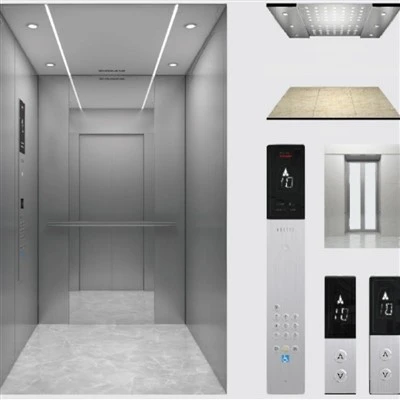
First off, let’s get one thing out of the way: there’s no one-size-fits-all warranty for panoramic elevators. A lot of people think it’s like a phone—12 months, end of story—but these aren’t gadgets you toss in a drawer when they break. Panoramic elevators are custom-built, heavy-duty pieces of equipment that mix metal frames, glass panels, motors, control systems, even those little rubber seals that keep water out when you’re by a poolside elevator. So their warranties depend on a bunch of factors: what parts are covered, who’s installing it, how it’s used, and even the climate where it’s going. I’ve seen some clients roll their eyes when I tell them that, but once I explain, they usually get it.
Let’s start with the basics most suppliers offer as standard. From what I’ve seen across 10 years in this game, the base warranty for the core components of a panoramic elevator is usually 12 months from the day it’s fully installed and passes inspection. That includes the motor, the control panel (the thing that makes the doors open and close, stops at the right floor), and the structural frame holding all the glass together. But wait—there’s a catch here: that warranty only applies if you use our technicians for installation. I can’t stress that enough. Last year, a guy called me panicking because his elevator’s motor died at 8 months, and turns out he hired a local handyman to install it to save a few bucks. The warranty was void immediately, and he had to pay double to fix it with a licensed pro. Moral of the story: stick to the supplier’s install team if you want that base warranty to hold.
Now, let’s talk about the parts that are specific to panoramic elevators, because that’s what makes them different from regular elevators. The glass panels, for example. Most suppliers will cover defects in the glass (like bubbles that were there when it was made, or cracks from bad manufacturing) for 12 months too—but wait, if the glass gets scratched because someone dragged a dolly across it, or a ball bounced off it in a playground elevator, that’s not covered. We also offer an extended warranty for glass if you want it—up to 5 years, but that’s extra, obviously. Then there’s the glass seals, those little rubber strips that keep rain and dust out. Those are wear-and-tear parts, so the base warranty usually only covers them for 3-6 months, because they degrade over time from sun and heat. I always tell clients to replace those annually anyway, even if they’re under warranty, because a leaky seal can mess up the control panel way faster than you’d think.
What about wear-and-tear parts in general? Things like door sensors, brake pads, the rollers that the elevator glides on. Those are the parts that get used every single day, so they don’t last forever. Base warranties almost never cover those, but you can add them on as part of a service agreement. A lot of my regular clients get a 3-year service plan that covers replacing those parts at a discounted rate, and it’s worth every penny. I had a mall client last holiday season—their elevator was moving 10x its usual traffic because of Black Friday—if they didn’t have that service plan, they would’ve had to pay out of pocket for a new door sensor on a Saturday, which would’ve cost them thousands in lost sales.
Now, let’s get into the longer warranties, because some suppliers offer them for premium clients or high-end installations. I’ve had clients in places like Dubai and Hawaii, where the climate is really harsh—extreme heat, salt air, heavy rain—they often go for a 3-year extended core warranty. That covers the motor and control panel for longer, which makes sense because those parts take way more abuse in hot, humid weather. Also, if you get a panoramic elevator that’s custom-built for a specific space, like a curved glass one for a waterfront restaurant, some suppliers (including us, by the way) will add a 2-year warranty on the custom framing, since that’s made to order.
Wait, what about maintenance? A lot of people think if they have a warranty, they don’t need to do regular upkeep, and that’s a huge mistake. Every warranty I’ve ever written has a clause that says you have to do monthly checks and annual professional maintenance. If we show up for an inspection and the elevator’s rollers are caked in dirt, or the control panel has dust built up, we can void the warranty. I once had a office building manager who skipped maintenance for 2 years, and their elevator’s motor overheated and died. He called us upset, but the warranty was gone because they didn’t do the required checks. So don’t skip that— it’s not just for the warranty, it’s for safety too.
Let me also bust a common myth: some clients ask if a panoramic elevator’s warranty is the same as a regular elevator’s. The short answer is no. Regular elevators have simpler designs, less glass, so their warranties are often similar, but panoramic ones have more moving parts around the glass—like the track systems for the glass panels, the anti-glare coatings on the glass, even the lighting inside the cab if it’s integrated into the frame. Those extra parts mean more to cover, so warranties might be slightly different. For example, the lighting in a panoramic cab is usually covered for 6 months, because those bulbs are small and can burn out faster from the constant vibration of the elevator moving.
Another thing to consider: commercial vs. residential. Wait, do people even put panoramic elevators in homes? Yeah, luxury homeowners do—like for a multi-story mansion with a view. For residential panoramic elevators, the warranties are often shorter, usually 9-12 months, because residential use is way less intense than commercial. A mall elevator might move 500 people a day, while a home one moves 5. But if it’s a high-end residential install with custom parts, we can extend the warranty to 2 years, no problem.
Let’s talk about what happens if something does go wrong during the warranty period. The process is usually straightforward, right? You call your supplier, send a photo or video of the issue, and if it’s covered, they send a technician to fix it for free, no parts or labor cost. But that’s only if it’s within the warranty window and not user error. If a kid throws a rock at the glass and cracks it, or someone overloads the elevator beyond its weight limit (another big no-no—overloading can break the motor, and that’s not covered), you have to pay for repairs. I always remind clients to post signs with the weight limit, and to train their staff not to overpack the elevator. It saves everyone hassle.
Now, how to choose the right warranty for your needs. If you’re a small business putting a panoramic elevator in a boutique, the base 12-month warranty is probably enough, as long as you keep up with maintenance. If you’re a mall or a hotel that gets heavy use, go for the extended 3-year core warranty and add the wear-and-tear service plan. If you’re in a harsh climate, definitely opt for the extended parts coverage, because weather will take a toll. And always, always read the fine print. I’ve seen clients get burned because they didn’t check if the warranty covered labor or just parts—some suppliers only cover parts, not the technician’s time, which is a huge cost.
Wait, let’s be real for a second—warranty isn’t the only thing that matters when buying a panoramic elevator, but it’s a big one. I’ve had clients choose a cheaper supplier that offered a 6-month warranty, and within a year, their elevator was broken and they had to pay way more to replace it. The suppliers that offer longer, clearer warranties usually build better products too—because they stand behind their work. That’s why I’ve been in this business for 10 years, I don’t cut corners on warranties, because I want my clients to know I’ve got their back, not just when we first install the elevator, but for years after.
Let me wrap this up. The warranty period for panoramic elevators isn’t a number you can pull off a shelf—it depends on installation, use, climate, and what parts you cover. The base is usually 12 months for core components, with shorter coverage for wear-and-tear and glass defects, extended up to 3 years for premium or high-use installations. But no warranty is worth the paper it’s written on if you skip maintenance or use the elevator wrong.
If you’re in the market for a panoramic elevator and want to chat through what warranty makes sense for your space, hit me up. I don’t do pushy sales—just straight answers, no hidden fees, and a warranty that actually works when you need it. Don’t let confusion about warranties stress you out; I’m here to walk you through every step.
Passenger Elevators References:
- National Elevator Industry, Inc. (NEII) – Elevator Safety and Warranty Guidelines
- American Society of Mechanical Engineers (ASME) A17.1 – Safety Code for Elevators and Escalators
- International Elevator and Escalator Association (IEESA) – Commercial Elevator Warranty Standards
- Panoramic Elevator Manufacturers Association (PEMA) – 2023 Warranty Benchmark Report for Glass Elevators
- Occupational Safety and Health Administration (OSHA) – Maintenance and Warranty Requirements for Elevator Safety
Ningbo Dongao Elevator Co., Ltd.
As one of the most experienced panoramic elevators manufacturers and suppliers in China, we also support customized service. We warmly welcome you to buy high quality panoramic elevators for sale here from our factory. For quotation, contact us now.
Address: No. 16 Xiapan Road, Ninghai County, Ningbo City, Zhejiang Province
E-mail: 13777289058@163.com
WebSite: https://www.daelevator.com/
