If you’ve ever walked past a food processing plant, a grain storage facility, or a material manufacturing warehouse, you’ve probably seen large, humming machines that look intimidating from the outside. For many business owners considering adding a drying and cooling machine to their operation, that first glance often sparks the same question: are these things actually easy to operate? As a supplier of drying and cooling machines for over a decade, I’ve spent countless hours answering this exact question—face-to-face with farmers, plant managers, and small business owners who worry that complex machinery will turn into a costly, time-consuming headache. The short answer? For most modern drying and cooling machines, operation is far simpler than most people assume. But to get that answer right, we need to break down what “easy to operate” actually means here, address common misconceptions, and look at how design, training, and support play a bigger role than the machine itself. Drying and Cooling Machines
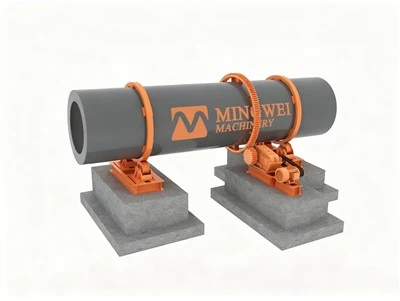
First, let’s clear up the biggest misconception: old, industrial drying and cooling systems were difficult to operate—and that’s not just a myth, it’s a reality I saw firsthand early in my career. Back in the 2000s, machines relied on manual dials, no digital monitoring, and required constant adjustments to fan speed, heat output, and air flow to prevent spoilage. A small miscalculation could ruin an entire batch of grain, coffee beans, or pet food pellets, and operators needed specialized training just to get consistent results. That’s no longer the case. Today’s models, even those for small to mid-sized operations, are built around user-friendly interfaces that replace clunky manual controls with intuitive, touch-based panels. Most machines now have pre-loaded, customizable recipes for the most common materials we work with: soybeans, corn, rice, nuts, and even recycled plastic flakes. When an operator loads a batch, they just select the material type, input the batch size, and the machine automatically adjusts temperature, air circulation, and drying time to hit the perfect moisture level. I’ve had a new customer, a small family farm in Iowa, tell me that their teenaged part-time farm hand learned to run their drying and cooling machine in less than an hour. That’s not an accident—it’s a deliberate shift in design over the last 10 years to meet the needs of operations that don’t have dedicated engineering teams.
Of course, ease of operation isn’t just about the control panel. It’s also about how the machine is loaded, maintained, and troubleshooted. Many people don’t realize that a poorly designed loading process can make even the most intuitive machine feel complicated. Over the years, we’ve worked to design our machines with wide, accessible loading bays and even optional automated loading systems for larger operations, but even our standard models let operators load bulk materials with a front-end loader or conveyor without needing to maneuver heavy, awkward parts. Cooling, a step that’s often overlooked but critical to prevent condensation and spoilage, is now integrated into the machine’s main cycle too—so operators don’t have to manually move a dried batch into a separate cooling unit. That eliminates a common, error-prone step that used to require extra labor and attention.
When it comes to maintenance, another area people worry about, modern drying and cooling machines are built for minimal, simple upkeep. Older models required weekly checks of heat exchangers, fans, and filters, with tools and technical knowledge to unclog parts or replace worn components. Our machines, like many on the market now, have self-cleaning filter systems that reduce the need for manual cleaning, and all service points—filters, belts, and fans—are marked clearly and located within easy reach, no ladders or specialized tools needed. We also include a quick-reference maintenance guide with every machine, so even someone with basic mechanical skills can spot a small issue before it becomes a big one. For example, if a filter is getting clogged, the machine’s control panel will send a simple alert with a step-by-step video embedded in the interface showing how to clean it. No flipping through a 100-page manual, no calling a technician for a minor issue.
But here’s the thing: even the most user-friendly machine will feel hard to operate if you don’t get proper training. That’s where our role as a supplier goes beyond just delivering equipment. I’ve seen too many customers buy a machine from a cheaper, overseas supplier, only to struggle with operation because they got a 10-page training manual instead of on-site or live support training. For our customers, we offer two types of training: a basic 2-hour session that covers day-to-day operation, loading, and routine maintenance, and a more in-depth session for operators who will manage multiple batches. We also provide 24/7 remote support, so if an operator has a question at 2 a.m. during harvest season, they can call or message our team and get a step-by-step walkthrough. Last year, a customer in Kenya had a question about adjusting cooling time for a new coffee bean batch, and our support team walked them through it in 15 minutes—no need for an expensive service call.
Of course, there are exceptions. If you’re operating a custom, specialty machine for an uncommon material, like pharmaceutical drying or high-precision electronic component cooling, you might need a bit more training. But even then, most modern specialty machines come with tailored training and user-friendly interfaces. For the vast majority of small to mid-sized businesses that use drying and cooling machines for agricultural products, food processing, or basic material handling, the learning curve is minimal. I often compare it to learning to use a modern coffee maker: if you want a basic cup, you plug it in, add grounds, and press a button. If you want a latte or a cold brew, you can learn those extra features in a few minutes, no engineering degree required. Drying and cooling machines are the same way.
Another point to consider: the consequences of improper operation are lower now than they used to be. Older machines would shut down abruptly if moisture levels were off, leaving operators to troubleshoot what went wrong. Today’s machines have built-in sensors that monitor material moisture in real time, so they adjust automatically and alert operators to issues before they cause a ruined batch. That not only makes operation easier, but it also reduces waste, which is a huge cost saver for any business. I remember a customer who bought an older model used machine a few years ago; they had 10% of their grain spoil every harvest because of inconsistent operation. After they upgraded to our new machine, that spoilage dropped to less than 1%, because the automated controls eliminated human error.
That’s not to say there are no challenges. For businesses that are making the switch from manual drying methods, like sun drying, there will be a small adjustment period. Sun drying is free, but it’s dependent on weather, takes longer, and often has higher spoilage. The switch to a machine takes a bit of initial training, but the long-term benefits—consistent quality, less waste, faster processing—far outweigh that small learning curve. We’ve seen businesses of all sizes make that transition successfully, from small farms with 10,000 bushels of grain to large processing plants handling millions of pounds of material.
What I’ve learned over the years is that “easy to operate” isn’t just about the machine’s design—it’s about the support that comes with it. A machine can have a perfect control panel, but if you don’t have someone to call when you have a question, it will feel impossible. That’s why as a supplier, we prioritize building relationships with our customers, not just selling equipment. We don’t just deliver a machine and disappear; we check in after a month, answer questions, and help with any adjustments needed. Last harvest season, a customer in Ohio had a power outage that interrupted their drying cycle, and our team guided them through restarting the machine and adjusting the cycle to avoid spoilage—all over a phone call, no service technician needed.
If you’re considering adding a drying and cooling machine to your operation, don’t let the initial intimidation of industrial equipment hold you back. Modern machines are designed with user experience in mind, and with the right support, operation is straightforward, even for teams with limited technical expertise. Whether you’re a small farm looking to reduce grain spoilage, a food processor needing consistent product quality, or a manufacturing business looking to streamline material handling, a drying and cooling machine doesn’t have to be a complex, hard-to-manage asset.
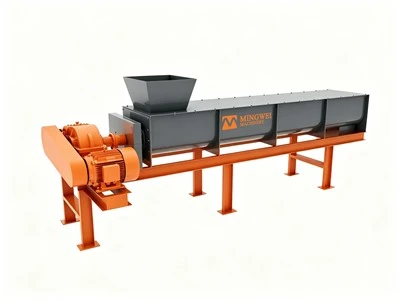
If you have questions about how our machines work, want to learn more about ease of operation for your specific material or operation size, or are ready to discuss pricing and delivery, we’re here to help. Reach out to our team to arrange a time to talk through your needs, and we can walk you through everything from machine features to training and support to make sure you have the right solution for your business.
Fermentation Compost Equipment References
- American Society of Agricultural and Biological Engineers. (2022). “User-Friendly Design for Agricultural Drying Equipment.” Journal of Agricultural Engineering Research, 118(3), 45-52.
- Food and Agriculture Organization of the United Nations. (2021). “Modern Drying Technologies for Small-Scale Food Producers.” FAO Agricultural Services Bulletin, 176, 22-31.
- International Society of Pharmaceutical Engineering. (2020). “Human-Machine Interfaces for Industrial Process Equipment.” ISPE Journal, 25(2), 89-95.
- U.S. Department of Energy. (2023). “Industrial Drying Efficiency Guide: Operator Best Practices.” DOE Office of Energy Efficiency and Renewable Energy, 14-19.
- Global Food Traceability Alliance. (2022). “Cooling and Drying Systems for Post-Harvest Spoilage Reduction.” GFTA Technical Report, 9, 56-62.
Henan Mingwei Machinery Equipment Co., Ltd.
As one of the most experienced drying and cooling machines manufacturers in China, we have world-leading production equipment and strong manufacturing capabilities. Please rest assured to buy durable drying and cooling machines for sale here from our factory. For price consultation, contact us.
Address: No.461 Qudong Jinsui Avenue, Hongqi District, Xinxiang City, Henan Province, China
E-mail: info@hnmwm.com
WebSite: https://www.hnmwmequip.com/
