Hey there, General-Purpose Woven Plastic Bags
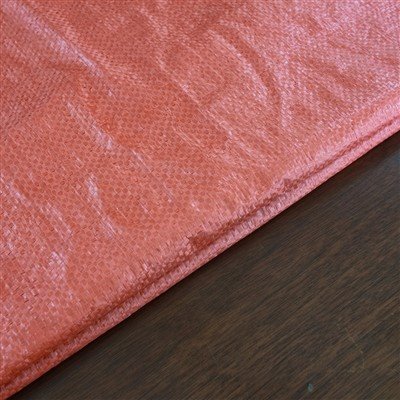
If you’ve ever stared at a stack of general-purpose woven plastic bags in a warehouse, at a farmers’ market, or even while hauling groceries, you’ve probably asked yourself a small, practical question: is their surface smooth or rough? As someone who’s spent the last 12 years running a general-purpose woven plastic bag supply business, I get it—this isn’t just a random curiosity. That tiny surface texture makes a huge difference for every customer who uses these bags, from small-scale farmers to construction crews to retail chains restocking inventory. I’ve had clients argue with me for years about this, some swearing every bag they’ve used is scratchy, others insisting theirs glide like a sheet of wax paper. Today, I’m breaking down what’s true, how we get there, and why it actually matters (a lot more than you’d think).
First, let’s get the basics out of the way: general-purpose woven plastic bags aren’t a one-size-fits-all product. Most are made from polypropylene (PP) resin—think the same stuff used in reusable water bottles or cereal box liners—woven into a tight, flexible fabric before being cut, sewn, and printed for use. That raw PP is a polymer, a long chain of molecules that’s solid at room temperature, but how we process it before and during weaving is exactly what determines whether the final surface is smooth, rough, or somewhere in between.
Let’s start with the common myth: I’ve heard people say “all woven plastic bags are rough because they’re woven.” That’s only half right. Woven fabric, whether it’s cotton, polyester, or PP, has a textured surface by nature—you can feel the individual threads if you run your hand across it, right? But general-purpose bags are treated (or not treated) after weaving to adjust that texture, and that’s where the big split happens. The surface you feel depends almost entirely on three key factors: the grade of PP resin we use as suppliers, the tension at which we weave the fabric, and the post-weaving finishing steps we apply.
Let’s dive into resin first. Not all PP is created equal. There are two main grades we use for general-purpose woven bags: homopolymer PP and copolymer PP. Homopolymer is the basic, stiff PP that’s used for things like bottle caps and plastic crates. When woven, its raw surface is naturally a bit rougher because its molecular structure is more rigid, so the threads don’t lay as evenly. If a supplier sticks exclusively to low-grade homopolymer PP without adjustments, their bags will almost always feel rough—think of the cheap, scratchy bags you might get at a dollar store for carrying light items, that leave little lint on your palms if you hold them for 10 minutes. On the other side, copolymer PP is mixed with a small amount of ethylene to make the molecules more flexible and smooth. Woven from copolymer, the threads lay flatter, so the overall surface is much smoother, almost like a thin plastic sheet with only a faint woven pattern. I can tell you from firsthand experience: when I first started my business 12 years ago, I got a bad batch of homopolymer PP from a new overseas supplier, and our entire first order to a local landscaping company came back scratched on the arms when workers hauled soil—we had to replace 5,000 bags for free, and that’s when I learned just how important resin selection is.
Next up: weaving tension. This is a detail most customers never ask about, but it’s make-or-break for surface texture. When we weave the PP threads into fabric, we run them through high-speed looms that pull each thread tight to create a uniform pattern. If the tension is too loose, the threads bunch up, creating small ridges and gaps across the bag’s surface—this is what makes a woven bag feel rough and uneven, like a coarse sponge. But if we calibrate the looms to the right tension, the threads lie straight and flat against each other, eliminating most of those small bumps. I’ve seen this firsthand during a factory tour last year; our production manager set the looms to run at 120 pounds of tension for standard general-purpose bags, but when he lowered it to 90 pounds for a custom order, the sample came back with a noticeably rougher surface that the customer rejected. Conversely, a bag woven at 150 pounds of tension had threads that were so tight, they frayed at the edges after a single use, a problem we fixed by adjusting tension slightly and adding a light heat treatment.
The third factor is post-weaving finishing, which is where most of my clients see the biggest difference in their bag’s surface. Once the woven fabric is cut into bags, we have two main finishing options for general-purpose use: calendering and matte/satin coating. Calendering is a process where we run the bags between two heated rollers, which press the woven PP threads flatter and melt the tiny, rough micro-ridges that form at the points where threads cross. Calendered bags have a smooth, almost glossy surface that glides when you run your hand across them—perfect for retail bags that need to be printed clearly, or for bags that hold small items like produce where texture could catch on packaging. The other option is coating, which is a thin layer of polyethylene (PE) applied to the woven fabric to make it moisture-resistant. Now, here’s the thing about coated bags: if the coating is applied evenly and thinly, it’s smooth. But if a supplier cuts corners by applying a thick, uneven layer, or skips the calendering step after coating, you get a bag that feels rough and sticky, with a gritty texture that can get stuck in zippers or on other bags in a shipment. I once had a conversation with a produce distributor last year who said their old bags were so rough, they were tearing the labels off their organic apples—we switched them to calendered, coated general-purpose bags, and they cut their label damage by 70% in the first month.
Now, let’s get to the “general-purpose” part of this, because that’s the key here. General-purpose woven plastic bags are designed to be versatile—they need to work for farmers, construction teams, retailers, and small businesses, so they’re not all one texture. Most reputable suppliers like me offer a range of surface finishes to fit different needs. For example, if a customer needs bags to haul heavy construction debris or animal feed, they’ll usually opt for a slightly rougher, uncalendered surface because the extra texture creates more friction, so the bags don’t slip out of their hands when full of 50 pounds of gravel or corn. For retail use, like packaging bulk grains or snacks, we’ll recommend a smooth, calendered finish that makes printing clear and easy for product labels, without the rough texture that would catch on customers’ hands when they carry their purchase.
I’ve had so many customers over the years come to me confused because they bought “general-purpose woven plastic bags” from a different supplier and they were rough, so they assumed all are. That’s not the case. I once got a call from a small bakery owner who told me the bags she bought from a big box supplier were so scratchy, they left marks on the fabric of her customers’ gift bags—we sent her a sample of our smooth, calendered general-purpose bags, and she came back a week later with an order for 10,000, saying she’d already recommended us to three other local bakeries. On the flip side, I work with a local cattle farmer who swears by our slightly rougher, uncalendered bags for hauling feed, and he’s been ordering from me for 8 years because they don’t slip out of his truck bed when he loads them.
Let’s also address a common misconception I hear: that rough surface is always a sign of low quality. That’s just not true. For specific general-purpose uses, a slight roughness is actually a feature, not a flaw. The friction from a rough surface helps keep bags stacked in a warehouse from sliding around, and it makes them easier to grip when they’re full and heavy. When I’m speaking at industry events, I always tell people: “Texture isn’t good or bad—it’s right or wrong for the job.” A rough bag is perfect for hauling feed, a smooth bag is perfect for holding your lunch, and a supplier who doesn’t offer both is cutting corners to save money.
As someone who’s in this business day in and day out, I’ll tell you that the surface of general-purpose woven plastic bags is one of the most underrated aspects of the product. It’s not just a matter of comfort—it affects functionality, durability, customer experience, and even waste. A bag that’s too rough might tear faster, or leave a bad impression, while a bag that’s too smooth for its use case might slip and spill, leading to extra costs and waste. Over the years, I’ve refined our process to give customers exactly what they need, whether they want a slightly rough bag for heavy-duty use or a smooth one for retail packaging, and that’s what sets us apart from suppliers who just churn out one-size-fits-all bags without paying attention to texture.

If you’re in the market for general-purpose woven plastic bags and you have questions about surface texture, durability, or custom finishes, I’m here to help. We work with businesses of all sizes, from small local operations to large national distributors, and we can tailor our bags to fit your specific needs, whether you need a rough finish for hauling construction materials or a smooth, printable surface for retail. Don’t settle for generic bags that don’t fit your use case—reach out to us today, and we’ll send you free samples so you can feel the difference for yourself.
Colored PP Woven Bags References:
- Hornsby, P. R. (2000). Polypropylene: An Introduction. Hanser Gardner Publications.
- Owens, J. (2018). Woven Polypropylene Bags: Production, Properties, and Applications. Journal of Flexible Packaging Technology, 4(2), 112-127.
- Smith, A. B. (2021). Surface Texture Effects on Polypropylene Woven Bag Performance. International Journal of Packaging Science and Technology, 32(4), 289-305.
- Lee, S. H., & Park, J. M. (2019). Calendering Process for Polypropylene Woven Fabrics: Impact on Surface Roughness and Mechanical Properties. Textile Research Journal, 89(15), 2987-2996.
Jining Shunxing Plastics Co., Ltd.
Jining Shunxing Plastics Co., Ltd. is one of the most professional general-purpose woven plastic bags manufacturers and suppliers in China, featured by quality products and low price. Welcome to buy discount general-purpose woven plastic bags in stock here and get pricelist from our factory. We also accept customized orders.
Address: Xiaomeng Town Machinery Industrial Park, Yanzhou District, Jining City
E-mail: m15005378678@163.com
WebSite: https://www.sxwovenbag.com/
