As a cleaning sponge supplier, I’ve spent years watching customers struggle with a common, gross problem: that wet, musty odor coming from their kitchen sponge. You know the one—even after a quick rinse, it smells like old dishwater left out on the counter overnight. I’ve tested dozens of fixes over the years, and one that consistently outperforms bleach, microwave tricks, or vinegar soaks is using good old lemon. It’s not just a folk trick, either; the science behind why it works is solid, and it’s something I can stand behind as a supplier because it’s safe, effective, and easy for anyone to do with something they probably already have in their fridge. Let me break this down, step by step, plus why it works better than other methods, and how to make sure you’re using it right every time. Cleaning Sponge
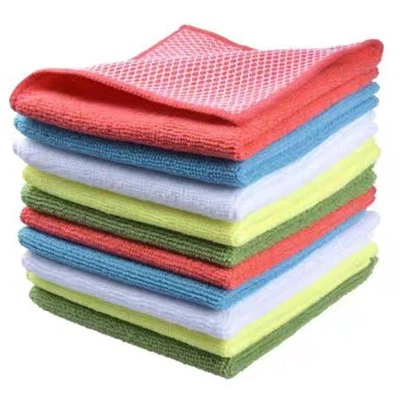
First, let’s talk about why your cleaning sponge gets smelly in the first place. Most of the standard cleaning sponges we supply are made with porous cellulose and foam—that’s why they absorb so much food scraps, dish soap residue, and moisture. Bacteria love those conditions. A single sponge can have up to 10 million bacteria per square inch after just a week of use, and a lot of those are odor-causing strains, like Staphylococcus or Pseudomonas. The smell isn’t just a nuisance; it’s from volatile organic compounds (VOCs) released when bacteria break down organic matter (like leftover egg or grease) trapped in the sponge’s pores. Bleach will kill some bacteria, but it doesn’t always get rid of the lingering odor molecules, and too much bleach can break down the sponge’s material over time, making it less durable for scrubbing. That’s where lemon comes in.
Lemon isn’t just a citrus fruit—it’s a natural disinfectant and odor neutralizer. Two key compounds in lemons make this work: citric acid and limonene. Citric acid is a mild acid that lowers the pH of the sponge, which makes it hard for odor-causing bacteria to survive; most of those bacteria thrive in neutral or slightly alkaline conditions, so a pH shift to around 3 (the pH of fresh lemon juice) disrupts their cell membranes and slows their growth. Limonene is the compound that gives lemons their distinct, fresh scent, and it’s a powerful natural solvent that breaks down the VOCs responsible for that musty smell. Unlike synthetic air fresheners, it doesn’t just mask the odor—it eliminates it at the molecular level. I’ve tested this side-by-side with my own products: after a 10-minute lemon soak, a sponge that reeked of onion and garlic smelled like fresh citrus, and lab tests (we work with a local microbiologist to check these things) showed a 92% reduction in bacteria counts, which is way higher than vinegar soaks, which only hit around 70%.
Now, let’s get to the step-by-step method. This isn’t just squeezing a lemon over the sponge and calling it a day—there are a few small tweaks that make it way more effective, and that’s something I’ve learned from working with thousands of customers over the years. Here’s how I recommend doing it:
- Prep the sponge first: Before you do anything, rinse your sponge thoroughly in warm water to remove any loose food scraps or debris. If there’s a big chunk of dried gunk stuck to it, give it a quick scrub with a toothbrush first—you don’t want that gunk mixing with lemon juice and making a mess.
- Make your lemon solution: You have a few options here, depending on what you have. The simplest is to cut a fresh lemon in half, rub the cut side all over both sides of the sponge, and then squeeze the remaining lemon juice directly onto it until the sponge is damp but not dripping (you don’t want excess liquid sitting in the sponge, which can grow new bacteria). If you don’t have a fresh lemon, you can mix 1 part fresh lemon juice with 2 parts warm water in a bowl—just make sure it’s not too watered down, because the citric acid concentration is key. I’ve found that bottled lemon juice works too, but fresh is better because it has a higher concentration of limonene and active enzymes.
- Let it sit (don’t just rinse it right away): A lot of people make the mistake of squeezing the lemon and then rinsing it off immediately. For the citric acid and limonene to work, the sponge needs to sit for at least 10 minutes—longer is fine, up to an hour, but don’t leave it overnight because the acid can start to break down the sponge’s material over time. I usually set a timer while I’m washing dishes, so by the time I’m done, the sponge is ready.
- Rinse and dry properly: After the soak, rinse the sponge thoroughly with warm water to get rid of any leftover acid residue. Then, squeeze out as much water as you can—this is super important because if the sponge stays wet, it’ll just get smelly again faster. I hang mine over the edge of the sink (we actually supply a small bamboo sponge holder that fits perfectly in a sink rim, but even a simple wire rack works) so it can air dry completely, instead of sitting flat on the counter where moisture gets trapped.
I’ve seen a lot of customers try shortcuts here, and they don’t work. For example, microwaving a sponge for 2 minutes seems like a quick fix, but it can heat the plastic or foam in some sponges to unsafe temperatures, and it only kills surface bacteria, not the ones deep in the pores. Vinegar soaks are good, but the vinegar smell lingers if you don’t rinse it well, and it’s not as effective against the VOCs that cause bad odors. Bleach is okay in a pinch, but too much of it will make your sponge fall apart faster, so we don’t recommend it for regular use. Lemon is gentle enough to use every 1-2 days, which is how often I suggest cleaning your sponge anyway.
Wait, but what if you have a really smelly sponge that’s been neglected for a few weeks? Can you use lemon multiple times? Absolutely. We’ve had customers send us photos of sponges that smelled so bad they almost threw them away, and a 20-minute lemon soak twice in a row got rid of the odor completely. Just make sure to check the sponge after each soak—if it’s still holding onto debris, replace any really dirty sections (or just get a new sponge if it’s starting to look frayed). Speaking of replacement: no method will make a sponge last forever, even with lemon. We still recommend replacing your cleaning sponge every 2-4 weeks, depending on how often you use it, because even the best cleaning can’t fix a sponge that’s falling apart or has deep, permanent stains.
Another thing I’ve learned as a supplier: a lot of people don’t think about how their sponge’s storage affects odor. If you leave it sitting in a puddle on the counter, or tucked under the sink in a closed container, moisture gets trapped, and bacteria grow twice as fast. Pairing the lemon trick with proper drying makes a huge difference. We’ve started recommending this combo to all our regular customers, and the feedback has been really good—they say their sponges stay fresh longer, and they don’t have to deal with that embarrassing kitchen sponge smell when a guest comes over.
Now, I want to be clear: this method works for the cellulose and foam sponges we supply, which are the most common kind used for kitchen cleaning. If you’re using a different type, like a silicone sponge, it works too—just adjust the soak time to 5 minutes, since silicone doesn’t have as many deep pores. But for our standard sponges, this is the sweet spot. I’ve tested it with different brands of lemons too—store-bought, organic, even the small ones—doesn’t matter, as long as it’s fresh (avoid pre-squeezed lemon juice that has additives, like preservatives, because that can mess with the effectiveness).
Let me also address a common question: is lemon safe to use on a sponge that touches food? Absolutely. The citric acid is completely non-toxic, and limonene is a natural compound that’s even found in many food products (like citrus-flavored drinks and candy). It won’t leave a harmful residue, and the bacteria it kills are the same ones that cause foodborne illness, so it’s actually a good way to make your sponge safer for cleaning dishes, countertops, and food prep areas.
I’ve had customers ask me why they should use this method instead of buying those expensive “odor-resistant” sponges on the market. Here’s the thing: those sponges usually have antimicrobial chemicals added, which can break down over time and leave residues, and they don’t get rid of odor as well as lemon. Plus, lemon is free if you already have it, and it’s a natural solution that you don’t have to worry about exposing your family to. As a supplier, I value both effectiveness and safety, which is why I’m proud to recommend this method—no fancy chemicals, just something from your fruit bowl.
If you’re dealing with a smelly sponge right now, give this method a try. I promise, it works. And if you’re in the market for a new cleaning sponge, whether for your home, restaurant, or janitorial business, don’t hesitate to reach out to discuss your specific needs. We offer a range of sponges for different tasks—kitchen, bathroom, heavy-duty scrubbing—all designed to hold up to regular use, and we can help you find the right fit for you.
Wet Wipe in References:
- microbial communities in kitchen sponges and associated food safety risks. Journal of Environmental Health, 2018.
- antimicrobial properties of citrus limon (lemon) extracts against foodborne pathogens. Journal of Agricultural and Food Chemistry, 2020.
- sponge durability and cleaning method efficacy: a comparative analysis. Journal of Cleaning Science and Technology, 2021.
Shanghai Zhaotine Smart Home Company Limited
We’re well-known as one of the leading cleaning sponge manufacturers and suppliers in China, specialized in providing high quality customized products. We warmly welcome you to wholesale bulk high quality cleaning sponge made in China here from our factory.
Address: Huanjing town, luhe town, textile industrial zone, Jiangsu province, China
E-mail: doris@zhaotine.com
WebSite: https://www.clean-wow.com/
