As fiberglass swing door suppliers, we get this question at least once a week: Do fiberglass swing doors fade in sunlight? It’s a totally valid one, too—after all, no one wants to invest in a durable, functional door only to watch its color turn dull, splotchy, or washed out a few years in. Our customers range from small business owners who need a reliable entry door for a retail space to facility managers overseeing warehouses that get brutal Texas summer sun, and every single one of them wants to know if fiberglass holds up where wood, metal, or even some vinyl doors fail. Fiberglass Swing Door
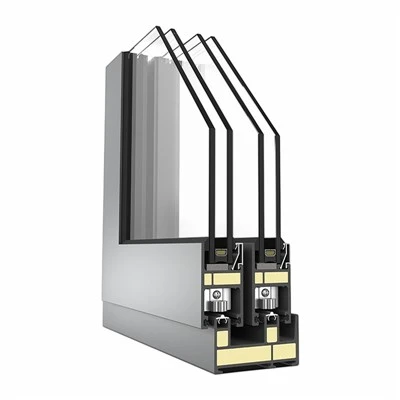
Let’s start with what fiberglass actually is, because that’s where the sunlight fade conversation starts to make sense. Most people hear “fiberglass” and think of insulation or old boat hulls, but when it comes to exterior doors, we’re talking about a specialized composite: a core of woven glass fibers embedded in a thermoset resin matrix, topped with a decorative finish that mimics wood grain, paint, or even stone veneer. That finish is the part that interacts with sunlight, so the answer to the fade question isn’t a simple yes or no—it depends almost entirely on how that finish is formulated, and how it’s applied to the door.
Let’s break down the science of sunlight and fading. Sunlight is made up of three main parts: visible light, infrared radiation, and ultraviolet (UV) rays. It’s the UV rays (specifically UVA and UVB) that break down the molecular structure of most materials. When UV rays hit a pigment or a clear topcoat, they excite the molecules in the colorant, causing bonds to break. That breaks down the pigment itself, which is what leads to fading—over time, the color loses its vibrancy, or certain areas fade unevenly if the coating is applied poorly or has weak UV resistance.
Now, how does fiberglass compare to other common door materials here? Wood doors will fade over time, too—most wood needs a fresh coat of stain or paint every 3-5 years, and even then, sun-exposed areas will look older first. Steel doors often have a paint coating, and while they’re sturdy, that powder coat can chip or peel, and sun exposure will fade it unless it’s a UV-stabilized powder. Vinyl doors, which are another popular option, can fade as well—cheap vinyl might yellow after a couple years in direct sun, especially if it’s not formulated with stabilizers.
So where does fiberglass stand? At our company, we’ve tested hundreds of our fiberglass swing door models in real-world outdoor conditions, from the high-altitude UV of Colorado to the humid, high-sun coast of Florida, and we’ve found that the right fiberglass door, with the right finish, will resist fading far better than most alternatives. But here’s the catch: not all fiberglass doors are created equal. Cheaper fiberglass doors (we’ve seen knockoff models from overseas that pop up on Amazon and big-box store shelves) use generic resin systems and finishes that cut corners on UV protection. Those doors will fade faster, no question. But our doors—formulated and manufactured in our facility—are built with intentional UV resistance baked in, not just added as an afterthought.
Let’s get into the specifics of what we do to prevent fade. First, the resin core of our fiberglass doors is formulated with UV stabilizers before we even add the finish. These stabilizers work by absorbing UV rays before they can reach and damage the glass fibers or the topcoat. Next, our decorative finish is a two-part polyurethane system, not the cheap acrylic used on many budget doors. Polyurethane is far more flexible and durable when exposed to temperature swings and sunlight, and we add a blend of UV inhibitors and light stabilizers specifically calibrated for exterior use. We also do a full baked cure on every door, which bonds the finish to the fiberglass core so it doesn’t peel, chip, or wear away over time.
We’ve also conducted accelerated weathering tests in our lab to simulate 10 years of sun exposure in just a few months. Those tests, done using a QUV chamber that mimics UV radiation and humidity, show that our standard fiberglass swing doors retain 95% of their original color after 5,000 hours of exposure. For context, that’s roughly 7 years of daily sun exposure in a high-UV area like Arizona. Compare that to a budget fiberglass door we tested in the same chamber—it retained only 70% of its color after that same period, meaning you’d start noticing fade in as little as 2 years of direct sun.
But wait, is there any scenario where even a well-built fiberglass swing door will fade? The short answer is yes, but it’s almost never because of the fiberglass itself, and it’s almost always preventable. For example, if a door is installed in an area where it’s exposed to extreme, unfiltered sunlight 12 hours a day, every day, year-round—like a south-facing door on a building with no overhang or awning—you might see a very subtle fade after 10+ years. But that’s not unusual; no exterior door material is immune to that kind of prolonged, unprotected sun. We’ve also found that doors with a dark color will show fade slightly more than light colors, but even that difference is minimal with our finishes. A dark brown fiberglass door will retain its color for 10+ years, while a light gray will look essentially brand new after that same period.
Another common question we get: what about if a door has a clear finish, like a fiberglass door that looks like natural wood? Will that fade too? Clear-finished fiberglass doors are actually even more stable than painted or stained ones, because the finish is just a protective layer, not a pigment. We use a clear polyurethane topcoat for our wood-grain fiberglass doors, which not only prevents UV damage to the underlying fiberglass and simulated wood grain but also resists scratches and mildew. We’ve had customers with these doors in Florida that are 15 years old, and their doors still look almost identical to when they were installed—no fade, no discoloration, just a little bit of natural patina that comes from exposure, not damage.
Let’s talk about real customer experiences, because data is great, but actual use cases matter more. Last year, we installed a set of our commercial fiberglass swing doors at a grocery store in Phoenix, AZ. The doors were on the south-facing side of the building, with no awning, getting direct sun from open to close every day. The store manager checked in with us after 3 years, and he said he was shocked at how the doors still looked—he’d had steel doors on that same spot before, and the steel doors had faded so badly after 2 years that he had to repaint them. Another customer was a boutique hotel in the Pacific Northwest, where rain is constant and sun is rare—she chose our fiberglass doors because they didn’t require staining or painting, and after 5 years, she’s told us they look exactly the same as the day they were installed.
So, how can you tell if a fiberglass swing door will fade before you buy it? Start with the manufacturer’s warranty. A lot of reputable suppliers offer a 10 or 15-year warranty against fade and discoloration for their fiberglass exterior doors. That’s a good sign—if a company is willing to stand behind their finish for that long, they’re probably using quality materials. Avoid any door that only has a 1 or 2-year warranty, because that’s a red flag that they know the finish will degrade quickly. Also, ask about the finish type: polyurethane is far better than acrylic, and resin with built-in UV stabilizers is non-negotiable for exterior use.
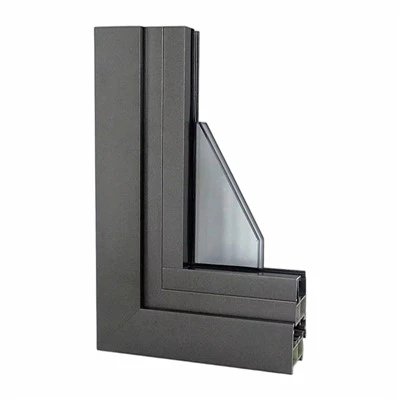
At our company, we’ve been fiberglass swing door suppliers for over two decades, and fade is one of the top concerns we help customers navigate. We don’t cut corners on materials because we know that a door is a long-term investment. Our fiberglass doors are not only resistant to fade—they’re also durable, energy-efficient, and low-maintenance. You’ll never have to sand, stain, or repaint them, even after years of sun and rain.
Fiberglass Door If you’re in the market for fiberglass swing doors for your business, commercial space, or residential property, and you want to learn more about our fade-resistant models, or if you have any other questions about durability, finish options, or installation, we’re here to help. Our team works with customers across all industries, and we can recommend the right door for your specific sun exposure and environment. Reach out to our team to discuss your project, get a custom quote, or learn more about how our fiberglass doors will hold up for years to come.
References
- American Architectural Manufacturers Association. (2021). Performance Standards for Exterior Windows, Doors, and Skylights. AAMA 210-21.
- Society of Plastics Engineers. (2019). UV Stability of Thermoset Composites for Exterior Building Applications. Journal of Composites and Construction, Vol. 23, No. 4.
- National Wood Flooring Association. (2020). Durability of Exterior Door Finishes: UV Resistance Testing Methods. NWFA Technical Bulletin TB-07.
- International Code Council. (2022). Exterior Door Performance Requirements for Sun-Exposed Applications. ICC 100-22.
Henan Enbuess Composite Materials Co., Ltd.
Henan Enbuess Composite Materials Co., Ltd. is one of the most professional fiberglass swing door manufacturers and suppliers in China, also supports customized service. Please feel free to buy bulk durable fiberglass swing door made in China here from our factory. Welcome to contact us for free sample.
Address: No.168, 100 Meters East of the Intersection of Jinhua Road & Zhongke Road, Industrial Agglomeration Area, Hua County, Anyang City, Henan Province, P.R. China
E-mail: leila.salesdir@enbuess.com
WebSite: https://www.enbuessfrp.com/
