Hey everyone, let’s cut to the chase—if you’ve ever wondered what the hell nervous system agents actually do, especially when it comes to brain chemicals, you’re not alone. I’m the owner of a nervous system agents supplier, and I get asked this question all the time by clinics, research teams, and even folks who are just starting out in neurology. Today, I’m breaking this down like we’re chatting over a coffee, no stuffy jargon, and no B.S. Nervous System Agents
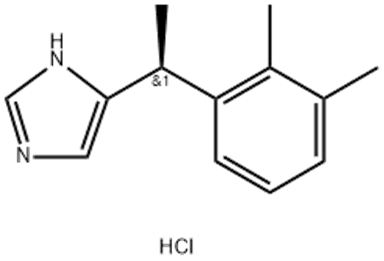
First off, let’s get the basics straight. Neurotransmitters are the brain’s little messengers—they carry signals between nerve cells, right? You’ve probably heard of the big ones: serotonin, dopamine, GABA, norepinephrine. They control everything from your mood to how fast your heart beats, even how you sleep or focus. Now, nervous system agents (that’s our side of the industry, by the way) are compounds that interact with these neurotransmitters. But it’s not one-size-fits-all. Some boost them, some block them, some mess with how much the brain uses ‘em, and that’s where the magic (or the science, if you’re boring like me) happens.
Let’s start with the most common scenario: agents that affect neurotransmitter reuptake. Wait, what’s reuptake? Imagine after a neurotransmitter sends a signal across a tiny gap (the synapse), the nerve cell that released it sucks the leftover back in, like a trash can picking up debris. That’s reuptake. So, if an agent blocks that process, more neurotransmitter stays in the gap, right? A lot of people know SSRIs for anxiety or depression—those are selective serotonin reuptake inhibitors. I’ve supplied SSRIs components to a couple of smaller pharma labs lately, and what’s cool is that they don’t mess with other neurotransmitters much, so they’re gentler for people who can’t handle broad-spectrum stuff. But it’s not just SSRIs. There’s SNRIs, too—those block both serotonin and norepinephrine reuptake. I once had a client working on a new SNRI for chronic pain, and they told me the difference was night and day for patients who hadn’t responded to SSRIs alone. That’s the thing about our agents: when you target the right reuptake process, you can change someone’s daily life.
Then there are agents that directly bind to neurotransmitter receptors. Receptors are like locks on the next nerve cell, and neurotransmitters are keys that fit ‘em. Some agents are agonists—they mimic the neurotransmitter, so they turn the “lock” on. For example, dopamine agonists are used for Parkinson’s, where the brain doesn’t make enough dopamine. I’ve shipped a lot of dopamine agonist raw materials over the years, and I’ve heard from clients that when doses are calibrated right, patients can regain control over their movement that they’d lost. On the flip side, antagonists block the key—they fit the lock but don’t turn it, so they stop the neurotransmitter’s signal. Antihistamines are a common antagonist example; they block histamine (which is a neurotransmitter too, fun fact) receptors, that’s why they make you drowsy. Some of our agents are antagonists for excess norepinephrine, which can calm down hyperactive patients or people with panic disorders. The key here (pun totally intended) is that specificity matters. You don’t want an agent that binds to every receptor— that’s how you get side effects. That’s why we work with labs to make sure our agents are as targeted as possible.
Wait, let’s not forget agents that affect neurotransmitter synthesis or breakdown. Before a neurotransmitter even gets released, the nerve cell has to make it. For serotonin, that starts with tryptophan, an amino acid, and an enzyme called tryptophan hydroxylase. Some agents can boost that enzyme, so the cell makes more serotonin in the first place. Conversely, some agents inhibit enzymes that break down neurotransmitters. MAOIs are an old class of antidepressants that work by blocking monoamine oxidase, the enzyme that breaks down serotonin, dopamine, and norepinephrine. Back in the day, MAOIs had a reputation for being finicky with food interactions, but new, more targeted MAOIs we supplied lately have fixed a lot of that. It’s wild how messing with the beginning or end of a neurotransmitter’s life cycle can have such a big impact on how it works in the body.
Now, I’ve seen a lot of misinformation out there about nervous system agents. Some people think they’re just for “fixing” mental health, but they’re used for way more: Parkinson’s, epilepsy, chronic pain, even some sleep disorders. I remember a research team we worked with last year was testing an agent that affects GABA receptors, which are the brain’s main “calming” neurotransmitter. They were using it to treat refractory epilepsy, where seizures don’t respond to standard meds. The early results they shared were insane—patients who’d been having multiple seizures a week were down to one or two. That’s the real work we do, not just selling compounds, but helping advance treatments that change lives.
But here’s the part that’s super important: it’s not just about what an agent does to neurotransmitters, it’s about timing and dosage. Too much of a good thing can be bad. For example, if you flood the brain with too much dopamine (like some stimulant agents do), you can get jitteriness, anxiety, or even paranoia. I’ve had clients come to me saying they messed up dosage calculations and needed to adjust their agent batches—we work with them every step of the way to make sure they have the support to get it right. That’s why we’re not just a supplier; we help with troubleshooting, share data we’ve collected from past clients, and make sure our agents are tested rigorously so there’s no surprises.
Another thing to mention: individual differences matter. Everyone’s nervous system is different—some people have more receptors for certain neurotransmitters, some break them down faster. That’s why personalized medicine is such a big deal right now, and our agents are a key part of that. We supply a range of agents, from broad-spectrum for general cases to highly specific for targeted therapies, so clients can pick what works best for their patient population.
Look, if you’re in the medical field, research, or developing treatments that involve neurotransmitters, you know how critical it is to have reliable nervous system agents. We’ve been in this game for years, working with labs, clinics, and pharma companies to provide high-quality, well-documented compounds. Whether you’re working on a new antidepressant, a treatment for a neurodegenerative disease, or a research project studying neurotransmitter function, we can hook you up with the right agents, plus the support you need to use them safely and effectively.
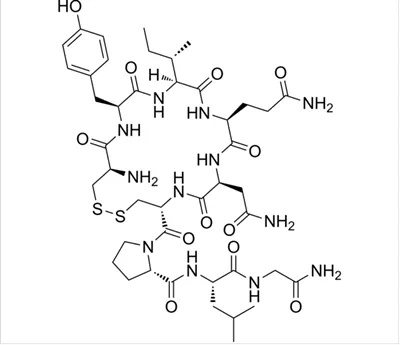
If you’re interested in chatting through your needs, whether it’s a specific agent, dosage guidance, or anything else related to nervous system compounds, don’t hesitate to reach out. We’re here to help, and we’re excited to work on whatever comes next in this field. Let’s connect and see how we can support your projects.
Finished Dosage Form References
- Kandel ER, Schwartz JH, Jessell TM. Principles of Neural Science. 5th ed. McGraw-Hill; 2012.
- Nestler EJ, Hyman SE, Malenka RC. Molecular Neuropharmacology: A Foundation for Clinical Neuroscience. 3rd ed. McGraw-Hill; 2015.
- Brunton LL, Chabner BA, Knollmann BC. Goodman & Gilman’s The Pharmacological Basis of Therapeutics. 13th ed. McGraw-Hill; 2018.
- Iversen LL, Iversen SD, Bloom FE, Roth RH. Neurotransmitters: Basic Neurochemistry and Clinical Applications. Academic Press; 2009.
HK Neopharm Limited
HK Neopharm Limited is one of the most professional nervous system agents manufacturers and suppliers in China, also supports customized service. Welcome to buy high quality nervous system agents in stock here and get quotation from our factory. For price consultation, contact us.
Address: Room W Unit 6086/f Metro Loft 38kwai Hei St Kwai Chung, Hong Kong
E-mail: sales@hkneopharm.com
WebSite: https://www.hkneopharm.com/
