If you’ve been in the pool business for even a few years, you’ve probably heard someone grumble about their old single-speed pool pump—high electricity bills, constant loud humming, and that feeling that you’re wasting more energy than you need to keep your water clean. As a pool pump supplier who works with residential and commercial pool owners every day, I’ve seen firsthand how converting an existing single-speed pump to a variable speed model isn’t just a “nice-to-have” upgrade—it’s one of the most cost-effective, eco-friendly changes you can make for your pool. A lot of people think this swap means buying an entirely new pump, but that’s not the case. With the right steps, tools, and knowledge, you can often convert your current setup without a full replacement. Let me walk you through exactly how to do it, and why it’s worth the effort. Pool Pump
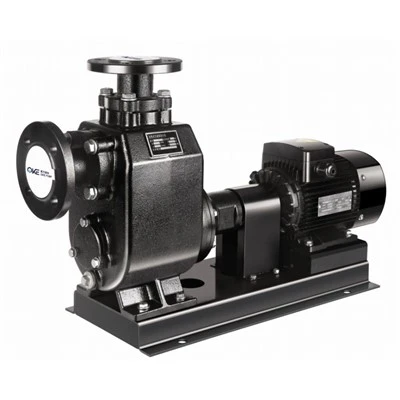
First, let’s get one thing straight: I’m not here to sell you a new pump out of the gate. Too many suppliers push full replacements even when a conversion works, but that’s not helpful for your wallet or the planet. A single-speed pump runs at full power 24/7, even when your pool only needs a fraction of that speed to circulate water, filter debris, and keep chemicals mixed. Variable speed pumps operate at lower RPMs, cutting energy use by 70% to 90% in most cases, according to industry data. That translates to hundreds of dollars a year in electricity savings, plus a quieter pump that doesn’t vibrate your whole patio.
Before you grab any tools, you need to do a little prep work to make sure a conversion is right for your setup. Start by checking your current pump’s specs. You’ll need to know the horsepower (HP) rating, the voltage (115V or 230V), and whether your existing motor has a threaded shaft or a split-nose design. This is critical because not all variable speed conversion kits fit all pumps. As a supplier, I can’t tell you how many times a customer shows up with a kit that doesn’t match their motor’s shaft size. If you’re unsure, snap a photo of your motor’s nameplate—usually located on the side or front of the motor—and bring it to your local pool supply shop, or shoot it over to our team for a quick check. We’re used to helping folks match kits to their existing equipment, no hard sell attached.
Next, assess your pool’s needs. If you have a small above-ground pool (10,000 gallons or less), a 1HP or smaller motor will work. For larger in-ground pools (20,000 gallons or more), you’ll need a kit rated for 1.5HP or higher. Also, consider your pool’s plumbing. If you have old, narrow pipes, you might not want to drop the speed too low at first—slow flow can lead to debris buildup or even clogged filters. But don’t let that scare you; most conversion kits come with pre-programmed settings that adjust flow to keep your pool healthy without wasting energy.
Now, let’s get to the step-by-step process. I’ll break this down into manageable chunks so you don’t feel overwhelmed. Safety is non-negotiable here—pool pumps run on electricity, so turn off the power at the breaker before you touch anything. Lock the breaker if you can, too, just to make sure no one flips it on while you’re working. That’s a mistake I’ve seen way too often; one customer almost got a shock when his neighbor accidentally turned the power back on mid-conversion. Don’t be that guy.
Step 1: Disconnect the old pump motor. Start by turning off the power, then drain any remaining water from the pump strainer pot—unscrew the plug at the bottom, and let the water run into a bucket or drain. Next, loosen the clamps that hold the pump housing (the wet end) to the motor, then unbolt the motor from its mounting base. Gently pull the motor away from the plumbing, being careful not to kink the pipes. Once it’s loose, disconnect the electrical wiring from the old motor. Most pool motors use standard junction box connections, but if you’re unsure, take a photo of the wiring setup before you cut anything—this will save you from guessing how to reconnect it later.
Step 2: Install the variable speed conversion kit. This is the heart of the process. Take the new variable speed motor (the kit usually includes the motor, a control panel, and any adaptors needed to fit your pump’s wet end) and line it up with the old mounting base. Most kits use universal adaptors that fit standard pool pump wet ends, but double-check that the shaft on the new motor lines up with the impeller on your old pump. If it doesn’t, the kit will include a spacer or a new adaptor to make it fit. Once the motor is secured to the base, reconnect the plumbing, tightening the clamps snugly—don’t overtighten, or you’ll crack the plastic housing.
Step 3: Wire the control panel. The control panel is what lets you set different speed settings for different pool tasks. For example, you’ll need a higher speed (around 1,500 RPM) during peak hours to run the pool cleaner, and a lower speed (around 1,000 RPM) overnight for basic filtration. The kit will come with clear wiring instructions, but again, if you’re not comfortable working with electricity, don’t hesitate to ask an electrician or our team for guidance. As a supplier, we include free wiring diagrams with every conversion kit, and we’re always here to answer last-minute questions over the phone.
Step 4: Program the settings. This part is where you get to customize the pump to your pool. Most variable speed controllers come with pre-set programs, but I recommend tweaking them to match your schedule. For example, if you run your pool for 8 hours a day, split it into two 4-hour blocks: 2 hours at 1,500 RPM during the day for cleaning, and 2 hours at 1,000 RPM at night for filtration. This keeps your water clean while using less energy. A quick tip: start with lower RPMs first. You can always increase the speed if your filter is getting clogged or your water isn’t circulating well. Over time, you’ll learn the sweet spot for your pool.
Once you’ve got everything installed and programmed, it’s time to test the pump. Turn the power back on, and start it at a slow speed first. Listen for any unusual noises—grinding, rattling, or squealing means something’s not lined up right. If everything sounds smooth, run it for a few hours and check your filter pressure. If the pressure is within the normal range (usually 8–12 PSI for most pools), you’re good to go. If the pressure is too low, you might need to increase the speed a bit; if it’s too high, slow it down.
Now, let’s talk about common mistakes people make when converting a pool pump. The biggest one is skipping the prep work. I’ve had customers come in with a conversion kit that doesn’t fit their motor because they didn’t check the shaft size, and now they’re stuck with a useless kit. Another mistake is setting the speed too high. Even though variable speed pumps are more efficient, running them at full power all the time defeats the purpose. And don’t forget to maintain your pump regularly—clean the strainer pot every week, and check the control panel settings once a month to make sure they’re still working for your pool.
So, why should you convert to variable speed? Let’s do some quick math. A single-speed pump uses about 2,500 kWh a year, costing around $300 in electricity (depending on your local rates). A variable speed pump uses around 500 kWh a year, cutting that cost to $60. That’s a $240 savings every year, and the pump will pay for itself in about 3–5 years. Plus, variable speed pumps are quieter—no more loud humming that makes your patio unusable at night. And for eco-conscious pool owners, reducing energy use means lowering your carbon footprint, too.
As a pool pump supplier, we know that pool equipment can feel overwhelming, especially if you’ve never done a project like this. That’s why we don’t just sell conversion kits—we support our customers every step of the way. If you’re considering converting your pump, don’t hesitate to reach out to our team to discuss your setup, get a customized kit recommendation, or ask any questions you have. We’re here to make the process as smooth as possible, because we believe every pool owner deserves to save money and enjoy a cleaner, quieter pool.
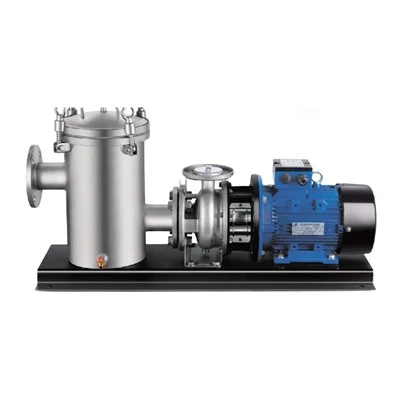
I know converting a pool pump sounds like a big project, but once you do it, you’ll wonder why you didn’t do it sooner. The savings, the convenience, and the peace of mind knowing you’re running a more efficient system make it all worth it. If you’re ready to take the next step, or just want to chat about whether a conversion is right for you, don’t hesitate to connect with our team for a consultation. We’re always here to help.
Self-priming Pump References:
- U.S. Department of Energy, “Pool Pump Efficiency Guide”
- Pool & Hot Tub Alliance, “Variable Speed Pump Conversion Best Practices”
- Energy Star, “Residential Pool Equipment Energy Savings Report”
Hangzhou Nanfang Ouke Pump Industry Co., Ltd.
As one of the most experienced pool pump manufacturers in China, we have world-leading production equipment and strong manufacturing capabilities. Please feel free to wholesale bulk customized pool pump from our factory. Welcome to contact us for pricelist.
Address: No.46, Renhe Subdistrict, Yuhang District, Hangzhou City
E-mail: Gy656169@outlook.com
WebSite: https://www.oukegroup.com/
