What even is a flexible hose mender, and why should you care if you’re dealing with hoses for work, your yard, or a fleet of trucks? Let’s cut the tech jargon for a sec—this isn’t some fancy part only engineers know about, it’s the fix you reach for when your hose splits, frays, or has a little hole that would turn a full-length replacement into a total waste of time and cash. Hose Mender
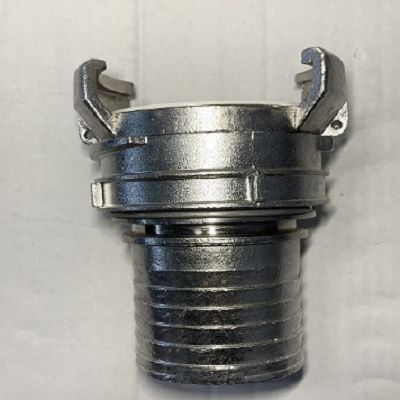
First, let’s start with the basics. A flexible hose mender is basically a mechanical fix designed to patch and rejoin flexible hoses, no special tools or glue (that often fails after a few uses) required. Wait, not just any mender—flexible ones are built to stretch, bend, and keep up with the hoses’ natural movement, so they don’t snap the way a rigid metal clamp or a shoddy tape job does. I’ve seen too many people grab a roll of duct tape when their garden hose leaks mid-spray, only to spend 20 minutes re-taping every five minutes because the hose twists as you drag it across the yard. Or folks in agriculture who drive tractors with hydraulics, only to panic when a fuel or water hose splits mid-field, waiting for a replacement that takes three days to ship and costing them thousands in lost harvest time. That’s where a flexible hose mender saves the day.
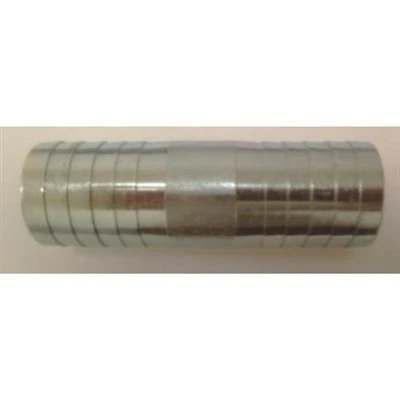
Now, let’s break down how it works, because this isn’t magic, it’s smart engineering. Most of the menders I supply are two-piece clamps made from durable materials—think reinforced nylon or zinc-plated steel, depending on what the hose is carrying. Wait, right, material matters a lot. If your hose is for drinking water, you don’t want a mender leaching chemicals, so we make food-grade ones for that. If it’s for hydraulic fluid on construction equipment, you need something rust-proof and pressure-resistant. The core of the mender is a smooth inner sleeve that lines up the two ends of the hose, so you don’t get lumps that restrict flow. Then you tighten the two outer clamps around each hose end, locking the sleeve in place. Unlike a regular hose clamp, which just squeezes the hose wall flat, the mender spreads the force evenly along the hose, so it doesn’t cut into the rubber or plastic as it holds pressure. That’s why it stays tight even when the hose flexes—like when you’re coiling a garden hose around a reel, or a truck goes over a bump, making the hose shift.
Wait, let’s talk about common use cases, because if you’re still on the fence, you’ve definitely dealt with one of these scenarios. First, residential use: garden hoses. We’ve all had that little split near the end where the hose bends every time you reel it in. A patch kit with glue might work, but glue gets brittle in the sun, or if you accidentally run over it with a lawnmower wheel. A flexible hose mender slides right over both ends of the split hose, tighten it up, and you’re good for another season. No mess, no waiting for glue to dry. Then there’s agricultural hoses—irrigation lines, fertilizer hoses, even hoses for livestock water systems. Those hoses take a beating: sun, chemicals, sharp rocks, constant movement from tractors or moving water. A rigid repair won’t hold, but a flexible mender moves with the hose, so it doesn’t pop off when the hose vibrates while pumping water.
Industrial use is where these menders really shine, though. Construction sites: hydraulic hoses for excavators, bulldozers, cement mixers. If one of those hoses fails, you’re shutting down the whole job, and downtime equals money. A lot of crews keep a pack of flexible hose menders in their toolbox because replacing a hydraulic hose on a site can cost $500+ and take hours, while a mender is a 10-minute fix that costs a fraction. Even marine hoses—bilge pumps, fuel lines, deck hoses—need something flexible because boats bounce and twist, and rigid repairs leak when the hose moves. I’ve had a customer who runs a small fishing fleet tell me his crews now carry menders instead of spare hoses, and he’s cut his hose replacement costs by 70% this year.
Now, let’s clear up a few myths I hear all the time. First myth: “Flexible hose menders are just a fancy clamp, right?” No, not really. A clamp is meant to hold one end of a hose to a fitting, not rejoin two cut ends. A mender is built specifically to connect two sections of hose, with that inner sleeve that aligns everything so you don’t get a leak. Second myth: “They’re only for small hoses.” Wait, no, we make menders for hoses from ¼ inch all the way up to 6 inches, for everything from small air hoses to large diameter irrigation lines. We even have ones for heavy industrial hoses that hold 100+ PSI, way more than a regular clamp can handle. Third myth: “They’re temporary fixes.” Some people think a mender is just a quick patch until you can replace the hose, but a lot of my customers use them as permanent repairs. I have a customer who’s had one on his main garden hose for three years, and it still doesn’t leak. It’s not a band-aid, it’s a proper repair if installed right.
Wait, how do you install one correctly? Because if you do it wrong, it will leak. Let’s walk through the simple steps, no technical stuff. First, cut the damaged part of the hose out straight—no angled cuts, because that will make the ends line up wrong. Slide the two outer halves of the mender over each end of the hose, then push the hose ends all the way onto the inner sleeve of the mender. Make sure the two hose ends meet in the middle of the sleeve, no gap there. Then tighten the clamps evenly, one side at a time, until they’re snug—don’t over-tighten, because you’ll crush the hose and cause a leak later. That’s it. No tools beyond a wrench or a pair of pliers, takes less than five minutes. Compare that to gluing a hose, which requires you to clean the ends, apply primer, apply glue, wait 20 minutes for it to cure, and even then, it’s way more likely to come apart if the hose flexes.
Now, why would you choose our menders over others on the market? I’ve been supplying these for over a decade, so I know the difference. A lot of cheap menders you find at big box stores use thin plastic that cracks after a few months, or steel that rusts if you use it for water. Ours are made with impact-resistant, UV-stabilized plastic for residential use, and heavy-duty zinc-plated steel for industrial jobs. We test every batch to make sure they hold up to pressure—our ¾ inch mender holds 150 PSI, which is way more than a standard garden hose’s 50 PSI. Also, they fit almost any hose brand, no need to worry about matching sizes exactly. We’ve had customers tell me they tried a cheaper mender that leaked on a hydraulic hose after a week, and ours has been on there for two years.
Let’s talk about when to use a mender, and when to replace the hose. If the damage is just a small split or a hole less than an inch long, a mender works perfect. If the hose is frayed all the way around, or has multiple splits in different spots, or the inner lining is corroded (for fluid hoses), then you should replace it. But for most small to medium damage, a flexible hose mender is the easiest, cheapest, and longest-lasting fix.
I get a lot of questions from folks who run their own workshops, or manage facilities, about which mender to get for different jobs. For residential garden hoses, go with a UV-resistant plastic mender, it’s cheap and works great. For agricultural irrigation, go with a heavy-duty nylon one that can handle sun and chemicals. For hydraulic or industrial hoses, go with the zinc-plated steel ones, they’re pressure-resistant and don’t rust. For food or drinking water hoses, we have food-grade menders that are safe for potable water, no leaching chemicals.
Wait, another thing: flexibility is key. I mentioned that earlier, but it’s worth repeating. A regular metal clamp is rigid, so if the hose moves, the clamp will pull or twist, causing a leak. Our menders are designed to flex with the hose—even if you bend the hose 90 degrees, the mender moves with it, no stress on the connection. That’s why they work so well for hoses that are constantly moving, like on vehicles or farm equipment.
Let me share a quick story from a customer last month. He runs a landscaping company, and his crew was working on a new residential yard, and their 2-inch irrigation line split right in the middle. They didn’t have a replacement hose on site, and the supply house was an hour away. One of his guys grabbed a flexible hose mender from his tool belt, installed it in 10 minutes, and they were done with the irrigation line in no time. He told me that without those menders, he would have had to pause the job, reschedule the customer, and lost out on a lot of money. That’s the kind of thing these menders do—keep work moving, avoid stress, save cash.
I’ve seen too many people waste money on unnecessary hose replacements, or deal with leaky repairs that never work. A flexible hose mender is a simple, smart solution for almost any hose repair. It’s not some obscure part, it’s a staple for anyone who works with hoses regularly. Whether you’re a homeowner with a garden, a farmer with irrigation lines, a construction manager with heavy equipment, or a boater with marine hoses, these menders make your life easier.
If you’re tired of wasting time and money on leaky hoses, or you’re looking for a reliable solution for your fleet or operations, we have a range of flexible hose menders for every hose type and job. We carry small packs for residential use, bulk packs for workshops or job sites, and heavy-duty industrial models for high-pressure applications. No matter what your needs are, we’ve got you covered. Reach out to us to talk about the right mender for your specific hoses and requirements, and we can help you get set up with a solution that works for you.
Guillemin Coupling References:
- Society of Agricultural and Biological Engineers, "Flexible Hose Repair Products for Agricultural Applications," 2022.
- International Organization for Standardization, "Specification for Flexible Hose Menders for Potable Water Use," ISO 17885:2019.
- National Fluid Power Association, "Hydraulic Hose Repair Best Practices," NFPA Standard T3.6.7, 2021.
- Outdoor Power Equipment Institute, "Hose Maintenance and Repair for Residential and Landscaping Use," 2023.
Suzhou Fuyikang Metal Industrial Co., Ltd.
As one of the most professional hose mender manufacturers and suppliers in China, we have world-leading production equipment and strong manufacturing capabilities. We warmly welcome you to buy bulk high quality hose mender for sale here from our factory.
Address: No.26.Mudong Rd,Mudu Town, Wuzhong Distric, Suzhou City,Jiangsu Province,China
E-mail: SZFYK@SZFUYIKANG-COUPLING.COM
WebSite: https://www.fyk-coupling.com/
