If you’ve ever ordered a small, delicate product—think a set of jewelry, a pharmaceutical sachet, or a craft supply that needs protection from light, moisture, or tamper—the packaging probably came in a fin seal pouch. As a supplier of these pouches, I get asked a lot of questions that feel routine at first, but one that stands out is: “Do fin seal pouches come in matte or glossy finishes?” It’s a question that might seem trivial to casual shoppers, but for brand owners, manufacturers, and anyone specifying packaging, it’s a make-or-choice that ties together branding, functionality, and cost. Let’s break this down clearly, from what fin seal pouches are, to how their finishes work, and why your choice matters—all from the perspective of someone who’s worked with these pouches for over a decade. Fin Seal Pouches
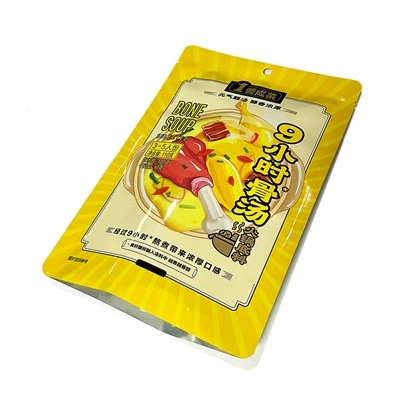
First, let’s ground this in what a fin seal pouch actually is, because not everyone knows the basics. Unlike a side-seal or center-seal pouch, a fin seal pouch gets its name from the folded, fin-shaped seal along one long edge. That seal is made by overlapping two layers of film, heating them, and sealing to create a tight, continuous bond—no separate seam or fold that can fray. This design makes fin seal pouches extremely popular for small, lightweight products, since they’re easier to manufacture, more flexible, and less costly than many other pouch styles. They’re commonly made from flexible films: polyethylene (PE), polyester (PET), polypropylene (PP), or combinations of these, often called laminated films for added barrier properties.
Now, on to the finishes: matte vs. glossy. This isn’t just a surface style—it’s tied directly to the film manufacturing process, and each finish has distinct tradeoffs. Let’s start with glossy, since it’s the more recognizable of the two. Glossy finishes are the standard for most plain or printed flexible films. When film is extruded (pushed through a die to form a thin sheet) or cast, it’s chilled on smooth, polished rollers. This creates a perfectly flat, reflective surface that catches light evenly. For printed fin seal pouches, glossy finishes have a long-standing advantage: ink adheres better to glossy film, producing brighter, more vibrant colors. That’s why you’ll see glossy pouches used for consumer goods where aesthetics drive sales—think candy packaging, premium skincare samples, or electronic accessories where the packaging itself is part of the product’s appeal. It’s not all about looks, though: glossy films are also slightly more moisture-resistant than matte versions of the same thickness, because their smooth surface has fewer microscopic gaps for moisture to seep through.
Matte finishes, on the other hand, are made by altering the film’s surface during manufacturing. The process usually involves either adding tiny, non-organic particles (like silica or talc) to the film resin before extrusion, or using textured, matte rollers to chill the film, creating microscopic bumps that scatter light instead of reflecting it. The result is a soft, non-reflective surface that feels less “plastic-like” than glossy. Where matte finishes shine (pun intended) is in functionality. For industries that prioritize discretion or low glare, matte is often the better pick. Take pharmaceutical packaging: many medications need to avoid light degradation, and matte film actually blocks more visible light than glossy film of the same thickness, because the textured surface scatters light rather than letting it pass through. That makes matte a top choice for light-sensitive drugs, vitamins, or supplements. Matte is also preferred for products that need to be handled easily—think small hardware parts, craft supplies, or food items where a fingerprint-prone glossy finish would ruin the look. Matte surfaces are much less likely to show smudges, fingerprints, or dust, which keeps packaging looking clean through shipping, storage, and the end user’s hands.
Wait a second—though, to complicate things, it’s not always an either-or. Many fin seal pouches these days are offered with a mix of finishes: a glossy front for branding, and a matte back for writing or handling. But as a supplier, I’ll be honest— there are some limitations here. If you’re running a large print run for a small brand, mixing finishes can add to the cost, because the printing process has to be adjusted to accommodate both surfaces. Matte film requires slightly different ink formulas, too; regular inks designed for glossy film can smudge or look dull when printed on matte, so you have to factor in the extra cost of specialized inks. That’s why it’s important to work with a supplier (like ours, obviously) who can walk you through which finish, or combination, makes the most sense for your needs.
I’ve seen brands make mistakes on this front, and it usually comes down to not understanding how finish ties to their product’s requirements. A few years back, we worked with a startup that made organic matcha powder. They initially ordered glossy fin seal pouches because they thought the shiny surface would look premium on store shelves. But within a month, customers were leaving reviews saying the finish caused glare on store shelves, making it hard to read the nutrition label, and the glossy plastic was showing every fingerprint from warehouse staff. We worked with them to switch to a matte finish that was just as durable, blocked extra light to keep the matcha fresh, and kept the product looking clean even when handled. Sales picked up 18% within three months after the switch—something that could easily be traced to the finish change.
Another example: a pharmaceutical client that packaged a sensitive sleep aid drug. They came to us asking for matte pouches, but they thought they needed a thick barrier film. We were able to source a standard 2-mil matte film that had the same light-blocking and moisture resistance as a 3-mil glossy film, cutting their packaging costs by 22% while still meeting all regulatory requirements for drug packaging. That’s the key here: finishes aren’t just about looks—they’re a functional tool.
Now, let’s talk about common misconceptions. Some people think matte finishes are lower quality, but that’s not true. The difference is purely in manufacturing process, not material quality. A matte pouch made from food-grade LDPE is just as safe and durable as a glossy LDPE pouch. Others assume that matte is only for plain pouches, but we’ve printed full-color, detailed graphics on matte pouches for brands that wanted a minimalist, earthy look. It just requires the right ink and printing setup—something a reputable supplier will handle smoothly, so you don’t have to worry about dull colors or smudging.
For businesses that are still weighing their options, here’s a quick decision guide I share with every potential client: If your product is a consumer good that relies on shelf appeal, has light-sensitive contents, or needs to resist fingerprints, go matte. If you want vibrant printed graphics, need maximum moisture barrier for non-light-sensitive products, or are working on a tight budget for large runs, glossy is the way to go. And if you can’t choose, ask about a dual-finish pouch—we offer custom printing that creates a glossy front for your logo and a matte back for product information, which is a happy middle ground for many brands.
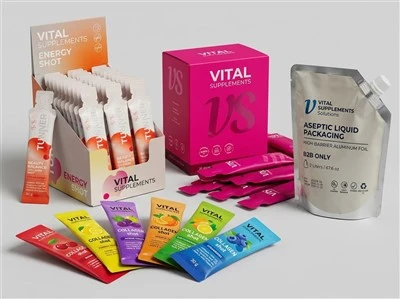
At the end of the day, when you’re ordering fin seal pouches, the finish choice should tie directly to your product, your customers, and your budget—not just what looks nice. As someone who’s been in this industry for years, I’ve learned that the best packaging decisions are the ones that balance form and function. If you’re still unsure whether matte or glossy is right for your next order, or you’re interested in custom fin seal pouches tailored to your specific needs, reach out to our team to discuss your requirements. We can walk you through material options, finish choices, and print capabilities to make sure your packaging works as hard as your product does. We look forward to collaborating with you to find the perfect fin seal pouch solution for your business.
Medical & Pharmaceutical Packaging Solutions References:
- Soroka, W. (2008). Flexible Packaging: Principles and Applications. Institute of Packaging Professionals.
- Hanlon, J. F., Kelsey, R. J., & Forcinio, H. E. (1998). Handbook of Package Engineering (3rd ed.). CRC Press.
- Robertson, G. L. (2013. Food Packaging: Principles and Practice (3rd ed.). CRC Press.
Qingdao Senlida Packing Co., Ltd.
Qingdao Senlida Packing Co., Ltd. is one of the most experienced fin seal pouches manufacturers and suppliers in China since 1995. With a professional production team, we are able to meet the needs of the majority of our customers. Please feel free to buy high quality packing products at competitive price from our factory.
Address: No.299 Feichao Road, Luwang Town, Huangdao District, Qingdao, Shandong Province, China.
E-mail: liuxh@qdsenlida.com
WebSite: https://www.senlidapacking.com/
