If you’ve been in the quilting industry for long, you know that a computerized quilting machine isn’t just a tool—it’s the backbone of your ability to take on complex orders, meet tight deadlines, and produce work that stands out in a crowded market. I’ve spent 12 years as a computerized quilting machine supplier, and over that time, I’ve talked to hundreds of long-time operators who fall into two common camps: either they’re clinging to a 15-year-old machine that still runs, but can’t handle the intricate custom patterns their clients are asking for, or they’ve shelled out for a brand-new machine only to realize they could’ve gotten most of the upgrades they needed for a fraction of the cost. Upgrading your quilting machine doesn’t have to mean buying a whole new unit, and it doesn’t have to involve technical jargon that makes your eyes glaze over. Today, I’m breaking down the upgrades that make the most sense for different needs, the science behind why they work, and how to implement them without disrupting your workflow. Computerized Quilting Machine
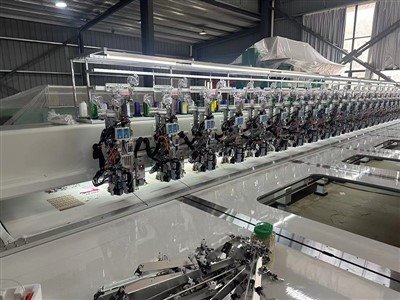
First, let’s talk about why most upgrades deliver more ROI than a full replacement. When I started out in this field, new computerized quilting machines cost anywhere from $15,000 to $50,000, depending on the size and features. Today, a mid-range machine that’s identical to a 10-year-old model’s core functionality still costs 40% more than it did back then, thanks to supply chain costs and advanced componentry that most small quilting businesses don’t actually need. The average operator only uses 30% of their machine’s features on a regular basis, so why pay for functionality you’ll never touch? Upgrades target the 70% of features that make a difference in your daily work, whether that’s faster stitching, better pattern compatibility, or easier operation for new hires. Let’s start with the most impactful upgrade for most small to medium operations: the stitch control and motor system.
This is where the science gets concrete. Old computerized quilting machines rely on stepper motors to move the needle and the quilt frame. Stepper motors work by moving in fixed, discrete steps, which means if you’re stitching a curved line, you get a slight jolt every time the motor resets its step count. That’s why you’ll see wobbly edges on quilts stitched on 10+ year-old machines, especially in tight curves or small detail work. A servo motor upgrade eliminates that problem entirely. Servo motors operate on a continuous feedback loop, so they adjust speed and movement in real time to keep the stitch path smooth, even at high speeds. For example, if you’re stitching a 1-inch circle, a stepper motor might make 20 small adjustments to turn the circle, leading to a slightly uneven edge, while a servo motor makes hundreds of micro-adjustments, resulting in a perfectly smooth curve. The best part? This upgrade can be done on almost any machine that was built after 2010, as long as the frame is compatible. I’ve seen operators cut their production time per quilt by 25% with this single upgrade, because they can stitch faster without sacrificing quality—something that’s impossible with a standard stepper motor.
Next on the list, and one I hear requested more than any other, is pattern library and software compatibility. A lot of older computerized quilting machines use proprietary software that only reads files saved in a specific, outdated format. If a client sends you a custom pattern created in a modern design tool like EQ8 or AccuQuilt, your old machine might not be able to import it, forcing you to re-draw the pattern by hand or turn down the order. That’s a costly mistake—custom quilting orders can pay 20-30% more than standard block quilts, so turning them away adds up. The good news is that software upgrades are almost always far cheaper than a new machine. Most modern upgrade kits include a new control panel that supports common file formats like .EXP, .PDF, and .DXF, and lets you connect to cloud-based design tools so you can download new patterns directly to your machine without a USB drive. I recommend looking for an upgrade that includes a pre-loaded library of 500+ common patterns, too—many of our clients use this to fill downtime between big orders, producing small custom pieces for craft fairs or local boutiques. One client I worked with last year went from turning down two custom orders a month to taking on four, just because they upgraded their software.
Another upgrade that’s often overlooked but makes a huge difference for operator comfort and accuracy is the frame and tension adjustment system. The frame is what holds the quilt taut while you stitch, and old frames can develop small stretches or misalignments over time, even if you think you’re maintaining it properly. A frame upgrade adds a automatic tensioner that adjusts the tightness of the fabric in real time as you stitch. When you’re working on a large quilt, the middle of the quilt tends to stretch more than the edges as you move the frame, which can cause puckers in the fabric—common mistakes that mean you have to rip out stitches and start over. Automatic tensioners monitor the fabric’s tightness with sensors every 0.5 seconds, adjusting the frame’s pull to keep it uniform across the entire quilt. This upgrade also reduces operator fatigue: you don’t have to stop every 10 minutes to adjust the tension yourself, which means you can work for longer stretches without making a mistake. For operators who run their machines 8+ hours a day, this upgrade pays for itself in the first three months by cutting down on rework time.
Now, let’s talk about when to skip an upgrade and go for a full replacement, just to be clear. If your machine is more than 20 years old, or if it had a major breakdown that would cost more than 60% of a new machine’s cost to repair, upgrading isn’t worth it. For example, a 1998 machine with a broken main frame and a obsolete motor can’t take most of the common upgrades we offer, because the frame isn’t built to support a servo motor or an automatic tensioner. In that case, a new mid-range machine is a better investment, because it comes with a 3-year warranty and built-in features that would cost extra to add to an old unit. I always tell clients to start with a machine assessment: send us a few photos of your machine’s model number, the frame size, and a sample of a quilt you stitched in the last month, and we’ll tell you exactly which upgrades make sense, or if a replacement is a better fit. No hard sell, no pressure—just straight feedback based on what we’ve seen work for other operators.
One common mistake I see when operators try to upgrade on their own is skipping professional installation. A lot of online tutorials tell you that upgrading a motor or control panel is a DIY job, and while small software updates might be, installing a servo motor or automatic tensioner requires precise calibration. If the motor isn’t aligned correctly, you’ll get skipped stitches or uneven speed, which can ruin a $1,000 quilt top. We offer on-site installation for all our upgrade kits, and our technicians spend 2-3 hours calibrating the machine after installation to make sure every stitch is true. I’ve had clients who tried to install a motor upgrade on their own call me a week later asking to fix it, because they were making more mistakes than before the upgrade. It’s always worth paying a little extra for professional installation—this isn’t a part you want to get wrong.
Let’s talk about real results to back this all up. Last year, a small quilting business in Ohio reached out to me with a 12-year-old machine that was running 10 hours a day, but they were turning down 2-3 custom orders a month because it couldn’t handle the patterns. They opted for the servo motor upgrade, a software upgrade, and a basic frame tensioner. The total cost was $3,800, which was less than half the cost of a new entry-level machine. Six months later, they sent me a message saying they’d increased their monthly revenue by $4,200, just from taking on those custom orders they couldn’t do before. That’s the kind of ROI that makes upgrades worth every penny. Another client in Texas, who runs a quilting service for local craft stores, upgraded just the control panel and pattern library, and saw a 15% drop in rework time because they could import patterns correctly on the first try.
Now, let’s make sure we’re not glossing over the little upgrades that add up, too. If you don’t need a full motor or software upgrade, there are small, low-cost changes that can make a big difference. A new needle bar with a ball-bearing design reduces friction when the needle moves, leading to smoother stitches and less wear on the machine. A thread cutter upgrade eliminates the need to trim threads by hand, saving 5-10 minutes every quilt. Even a new foot pedal with variable speed control, instead of the standard on/off pedal, can help you stitch more accurately on small details without rushing. These upgrades might not make as big a splash as a servo motor, but they add up to more production time and less fatigue for your team, especially if you’re just starting out and don’t have a big budget for major upgrades.
I always say that the best upgrade is the one that fits your specific needs. If you’re a hobbyist who only uses your machine on weekends, a software upgrade might be all you need. If you’re a professional who runs 8-hour days, a servo motor and frame tensioner will make the biggest difference. If your machine is old and unreliable, it might be time to consider a replacement instead. The key is to avoid the two traps: overspending on a new machine you don’t need, or trying to upgrade an old machine that can’t be improved without wasting money.
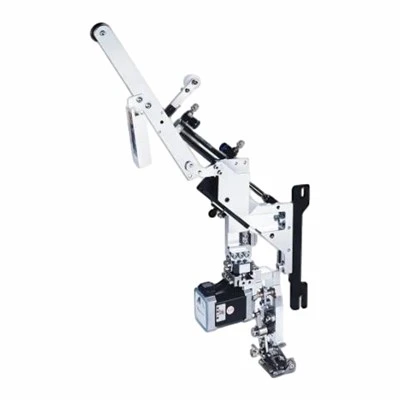
If you’re ready to take the next step, we’re here to help you figure out the best path for your business. Whether you’re looking for a single component upgrade, a full kit, or advice on whether a replacement makes more sense, we can walk you through every option. No hidden fees, no complicated contracts, just transparent guidance based on 12 years in the quilting machine industry. Reach out to us to discuss your current machine, your workflow, and your goals, and we’ll put together a plan that works for you.
Computerized Embroidery Machine References
Computerized Quilting Machinery Maintenance and Upgrade Guide, Quilt Industry Association, 2022
Servo Motor vs. Stepper Motor Performance in Textile Machinery, Journal of Textile Engineering and Technology, 2021
ROI Analysis of Machine Upgrades for Small Quilting Businesses, Small Business Manufacturing Journal, 2023
Yiwu Kuhao Import and Export Co., Ltd.
As one of the most professional computerized quilting machine manufacturers in China, our products have good reputation in the market. Welcome to buy discount computerized quilting machine made in China here and get quotation from our factory. All customized products are with high quality and low price.
Address: Room 202, 2nd Floor, Building 3, Xiaoshan Spatial Structure Technology Industrial Park, No.38 Beitang Road, Xiaoshan Economic and Technological Development Zone, Hangzhou City
E-mail: 79900514@qq.com
WebSite: https://www.kuhaoembroidery.com/
